
One of the Century’s 100 Most Important People:
Coco Chanel
Coco Chanel: Life and Design
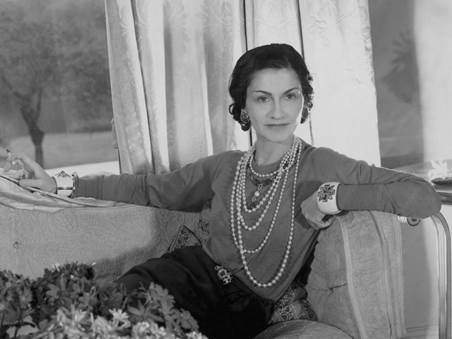
In Time’s list of the century’s 100 most important people, Gabrielle Coco Chanel was the only fashion designer. Here we explore her life and creative spirit, which also hold a special place in Altier Academy Library.
“Fashion is not only about dresses. Fashion is in the sky and in the street; fashion is what we think and how we live.”
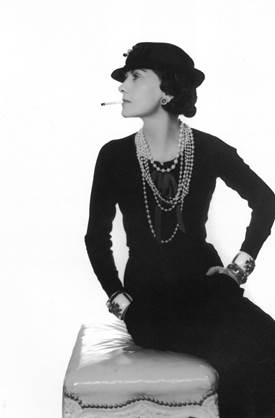
Born in Saumur in 1883, Chanel grew up in an orphanage after her mother’s death and encountered fabric at the convent where she lived. Her design identity began there as she learned sewing, later developing it through hat design. Her hats contrasted with the elaborate styles of the time: they were often as simple as those women wore to the market or church.
After leaving the convent, she sewed at Madame Desboutins’s dressmaking establishment during the day and worked at Café Chantant in the evenings. Her nickname Coco came from a song she sang there.
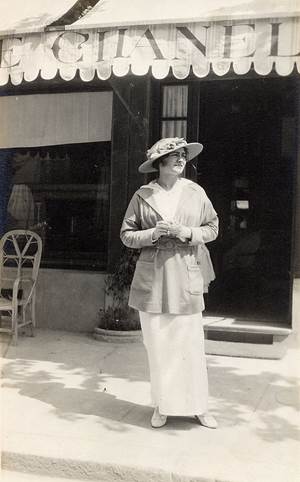
She began her career by opening a Paris hat shop in 1910. Princess Victoria Melita bought her distinctive designs, encouraging Chanel to maintain her original approach. Her number of shops increased over time.
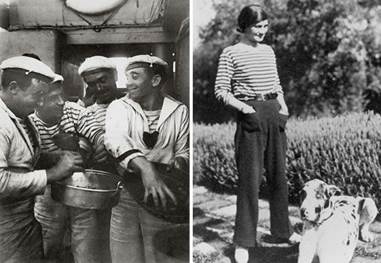
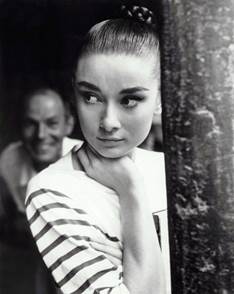
In 1917, Chanel designed blue-striped sailor-inspired clothing that became a favourite of many style icons.


In the 1920s, she designed bags with narrow shoulder straps, believing that a shoulder bag was best because it left the hands free. Military bag straps provided inspiration.
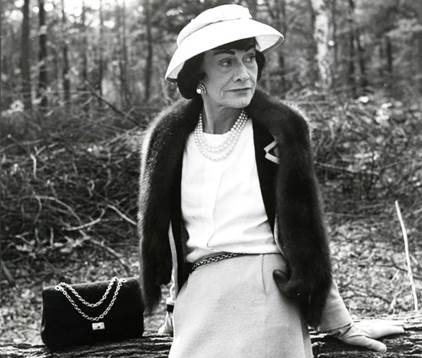
Chanel simplified her designs, favouring geometric shapes and combinations of black, white, beige and red. Anticipating modern life, she drew on the visual effects of Art Deco and jazz, formed close friendships with artists and designed costumes for plays.
She introduced her namesake tweed suit in 1923. In 1954, it was redesigned with a knee-length skirt and a cardigan-style jacket with black embroidery. It became one of her most iconic creations.
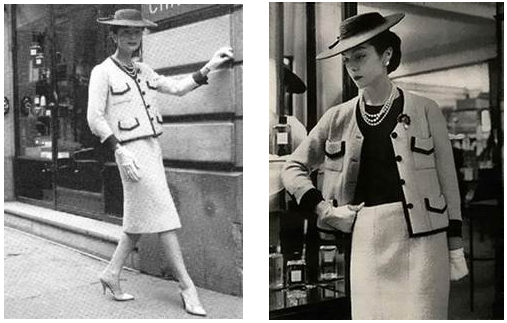
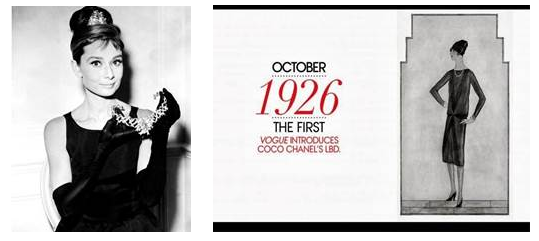
In 1926, Chanel designed a little black dress intended to appeal broadly, establishing an enduring wardrobe staple. Its dark shade challenged the association of black with mourning and represented a change for women.
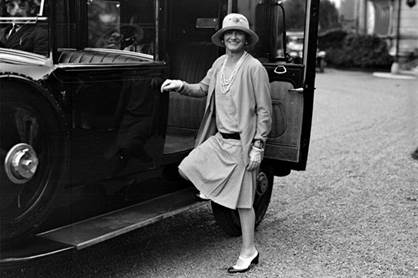
At her first Paris store, Chanel presented many garments in jersey. Previously used mainly for menswear, the fabric brought comfort to women’s clothing.
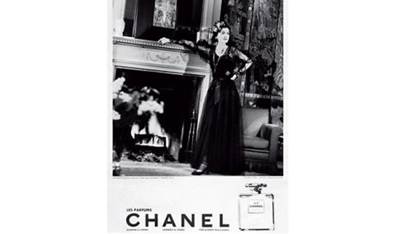
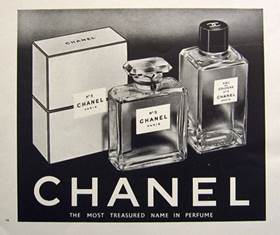
Beyond clothing, Chanel met perfumer Ernest Beaux and chose the fifth fragrance sample he offered, corresponding to her lucky number. It became the internationally renowned Chanel No. 5.
“Some people think luxury is the opposite of poverty. It is the opposite of vulgarity.”
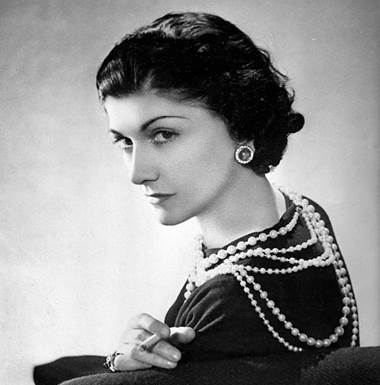
Chanel prioritised women’s freedom and comfortable clothes. She helped free women from corsets and, through masculine-inspired dress, opened the way for trousers.
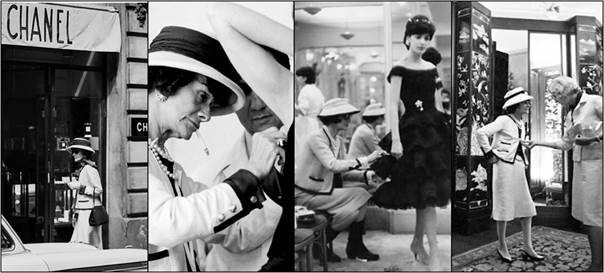
Coco Chanel died in 1971, leaving a fashion house with an enduring place in fashion history. Her innovative, entrepreneurial spirit established the Chanel brand and brought many changes to fashion.
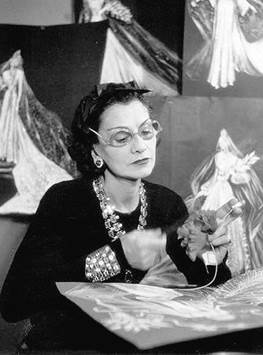
“Fashion is temporary; style endures.”