
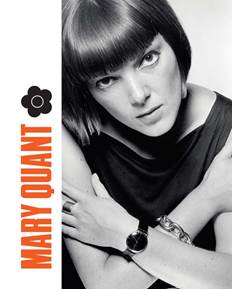
Mary Quant: A New Step in Fashion
“The whole point of fashion is to make fashionable clothes available to everyone.” Mary Quant’s words set the tone for her exhibition at London’s Victoria and Albert Museum. Open until February 2020, it features more than 200 garments and accessories alongside items from her personal archive. Inspired by the exhibition, this article introduces Quant and her design personality.
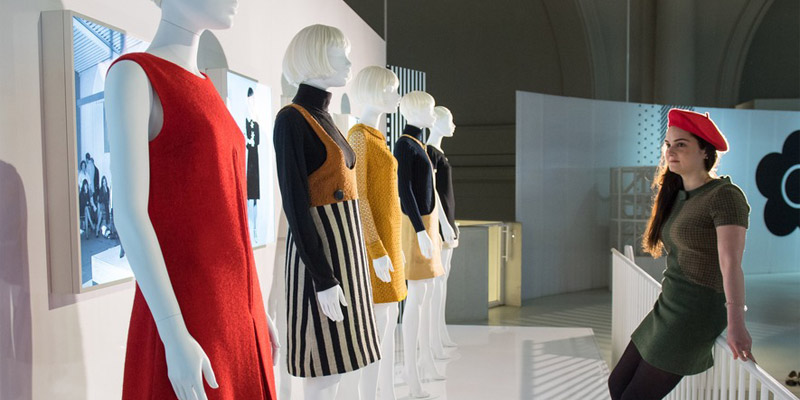
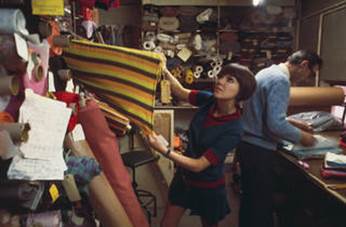
Mary Quant, the first designer to present the miniskirt at Buckingham Palace, was born in 1934. She trained as a teacher at Goldsmiths College, University of London, and began exploring fashion by adapting paper patterns. Selling dresses designed in her studio flat to cover the following day’s fabric costs, she initially served customers from her own social circle.
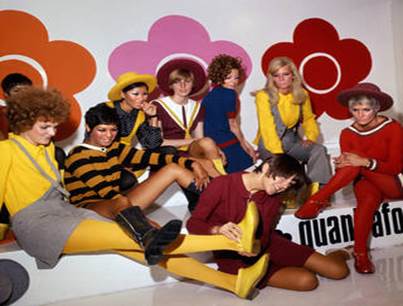
Quant’s Chelsea style drew on children’s and dance clothing for ease of movement. Strapless dresses, gingham and knee-high socks were key elements. She also played with cardigan proportions and turned football shirts into dresses. This new style was associated with dolly birds, a term for fashionable young women.
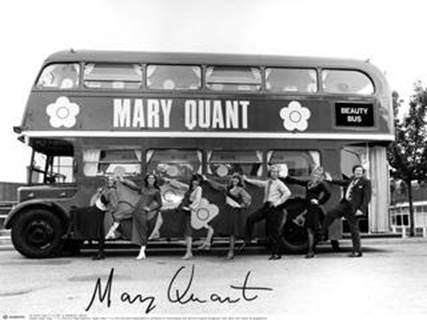
The innovation most closely associated with Quant is skirt length. In 1965, she shortened hemlines by 10–15 cm, creating the iconic miniskirt.
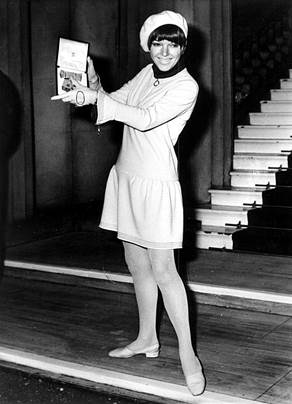
Mary Quant spoke of the miniskirt at that time as follows:“I was making easy, young, simple clothes you could move, run and jump in, and we made sure they were the length the customer wanted.”
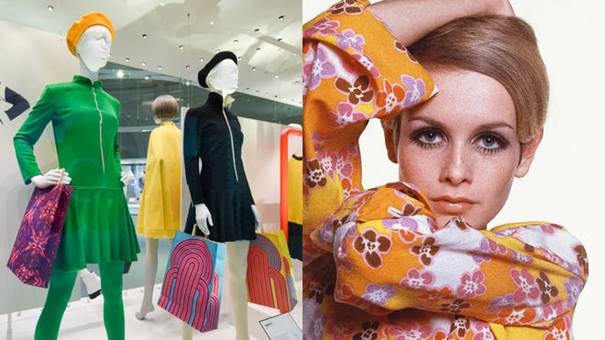
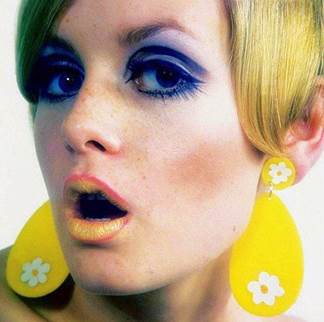
Quant was also known for hairstyles and cosmetics. In the 1960s, young women cut their hair like hers, wore miniskirts and adopted makeup inspired by her famous model Twiggy.
When the V&A began assembling the exhibition, it used social media to ask women for memories of Mary Quant. More than 1,000 people responded with photographs and clothing, helping form the exhibition collection.
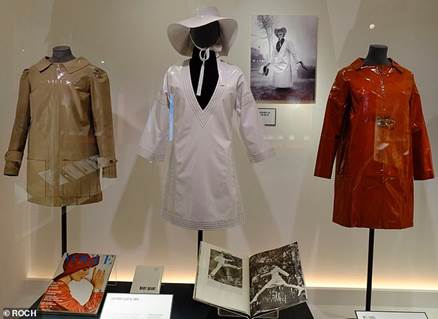
Curator Jenny Lister explains that Quant changed the fashion system and challenged Parisian luxury’s dominance. She dressed liberated women, freeing them from rules and from dressing like their mothers, using tracksuits, sportswear and tights. She also allowed her designs to be reproduced as dress and knitwear patterns.