
The Renaissance, when the foundations of tailoring and cutting developed, was a cultural period in European history following the Middle Ages. Meaning rebirth, it saw a revival of ancient Greek and Roman cultures and developments in literature, science and art.
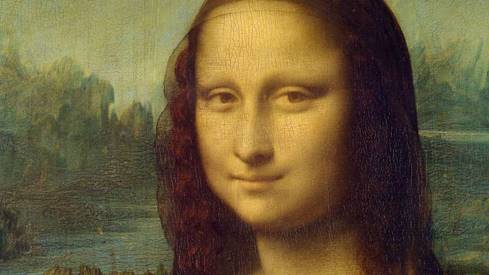
Leonardo da Vinci's drawings and anatomical studies and the drawing of the proportions of the human figure known as the Vitruvian Man summarize the humanist philosophy of the period.
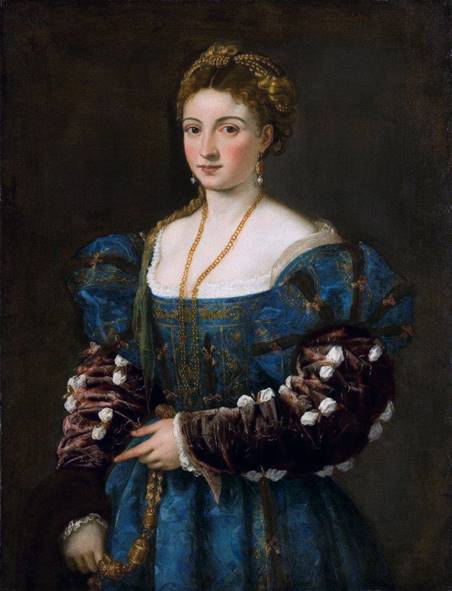
Renaissance silhouettes concealed body contours while indicating the wearer’s rank.
Luxurious textiles from Genoa, Lucca, Venice and Florence, including colourful silk satin, costly velvet and brocade, were important to the wealthy bourgeoisie.
Italy came to the fore in the production of gold yarn fabric and velvet in this period.
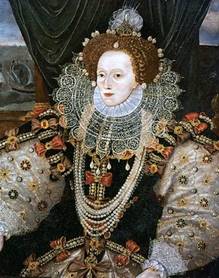
Elizabethan enthusiasm for nature and pastoral ideals brought animal and plant motifs into clothing. Garments were decorated with embroidered birds, insects, flowers and leaves.
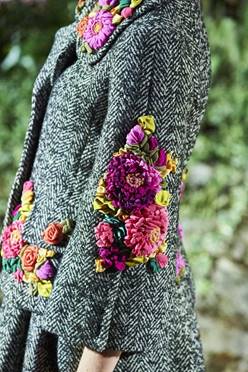
Dolce & Gabbana 2020
Pleats became heavier in this period. Diamonds, rubies and emeralds were frequently used, while earrings, tiaras and necklaces completed the silhouette.
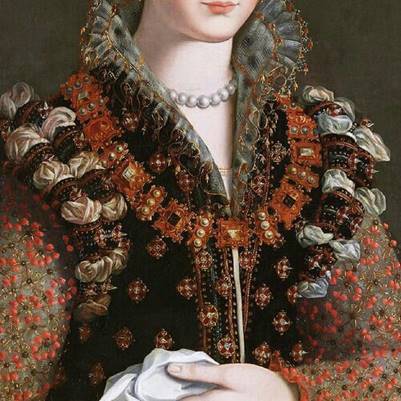
This historically significant period also left its mark on fashion. Its details continue to influence designers, bringing 15th- and 16th-century silhouettes and fabrics back into focus.
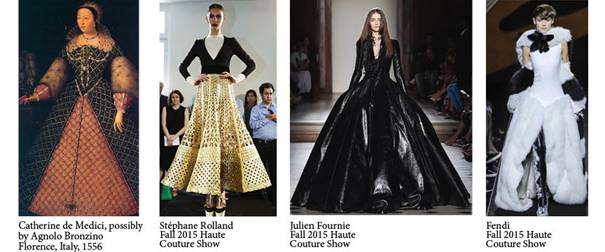
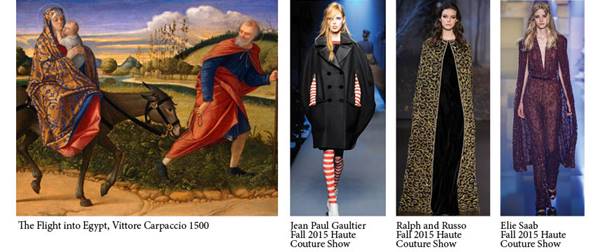
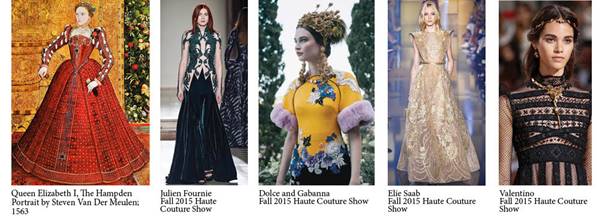
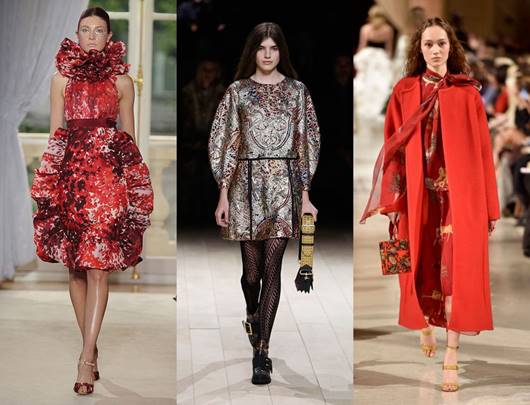
Valli - Burberry - Oscar de la Renta
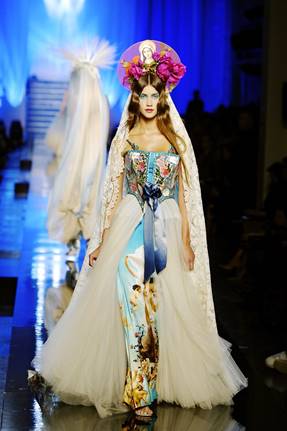
Jean Paul Gaultier – 2007
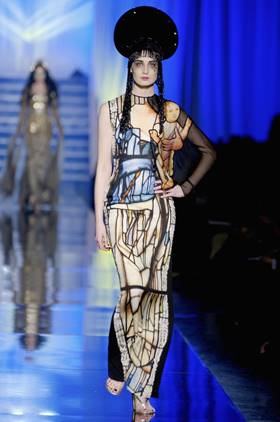
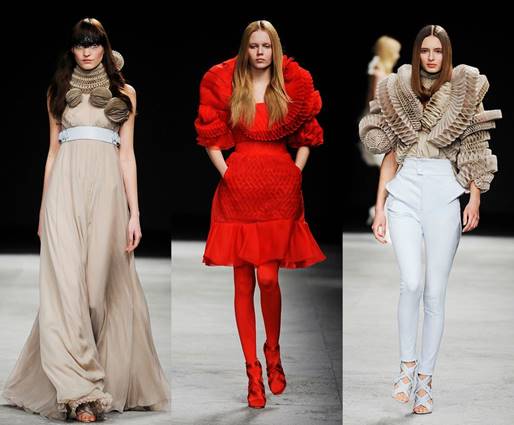
Givenchy – 2008
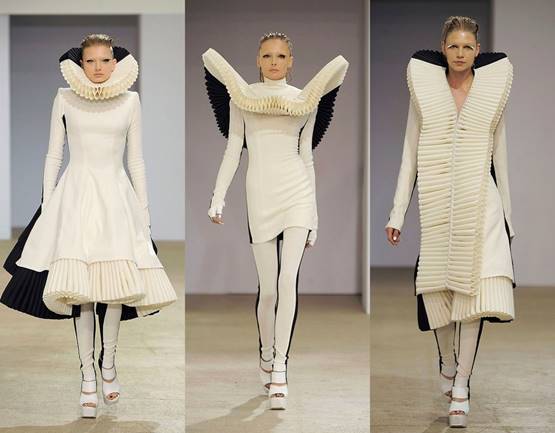
Gareth Pugh – 2009
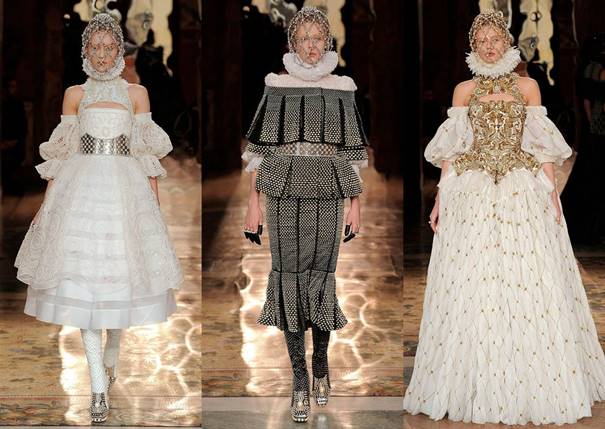
Alexander McQueen – 2013
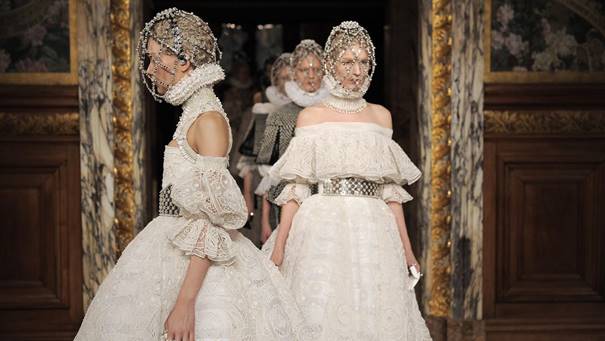
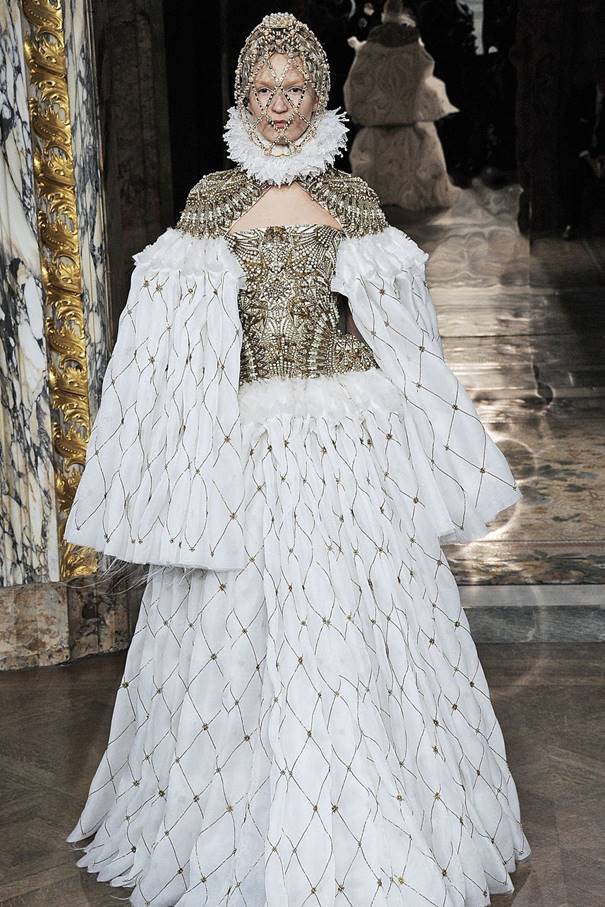
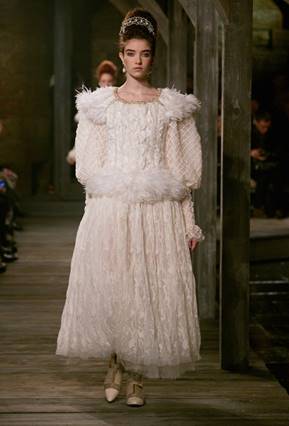
Chanel – 2013
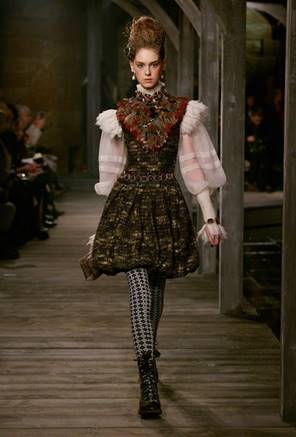
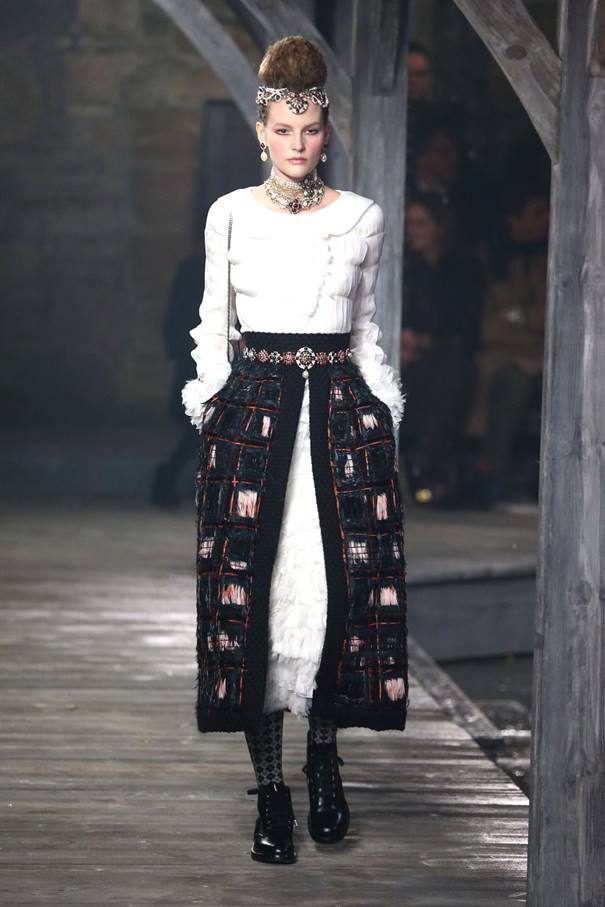
Chanel
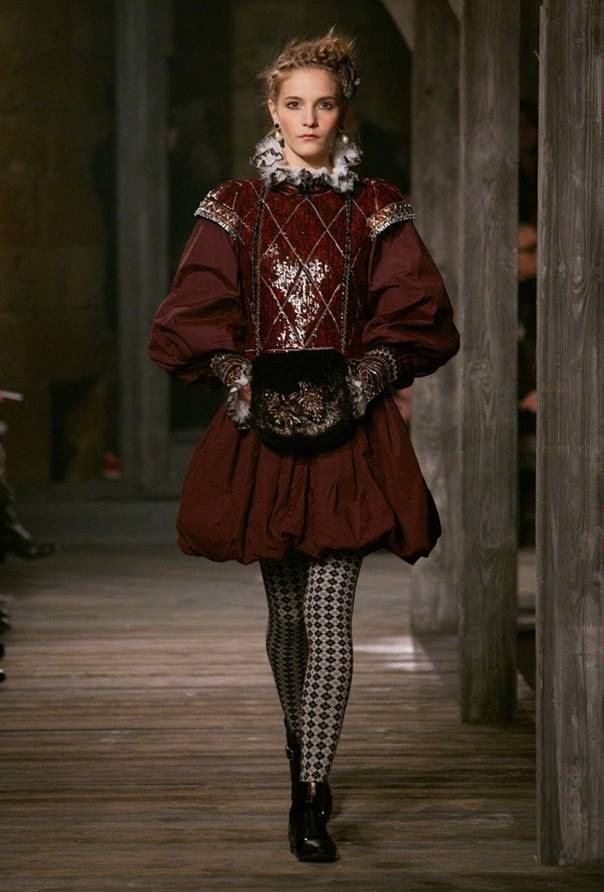
Chanel
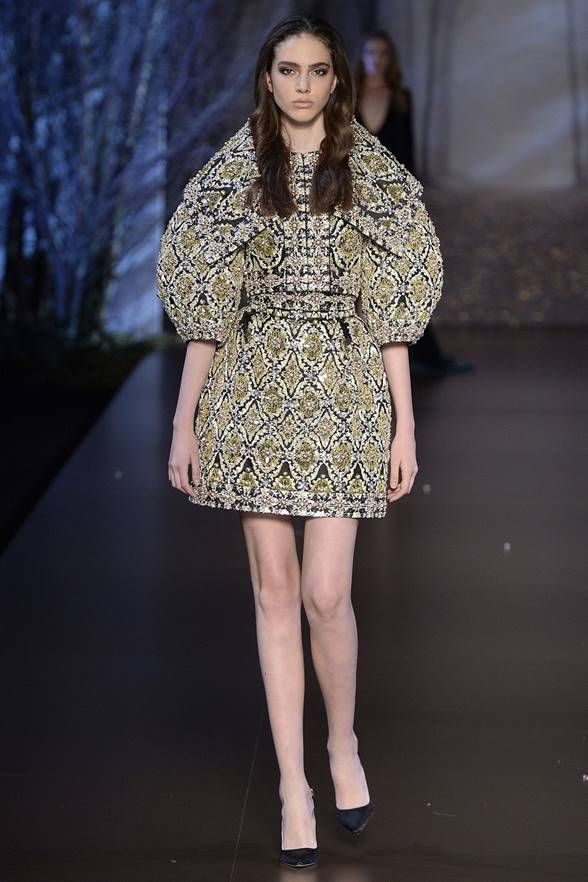
Ralph & Rousso – 2015
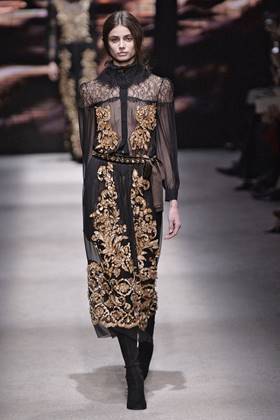
Alberta Ferretti – 2015
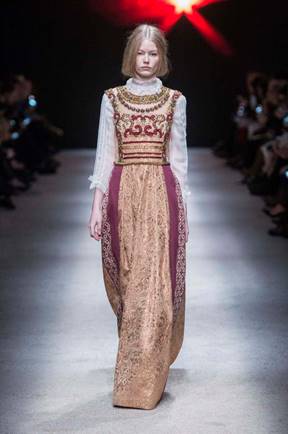
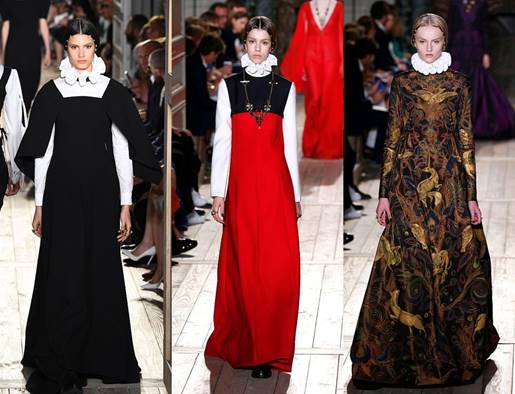
Valentino – 2016
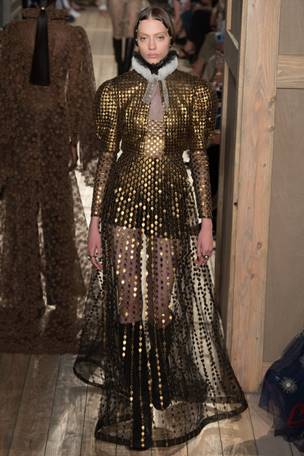
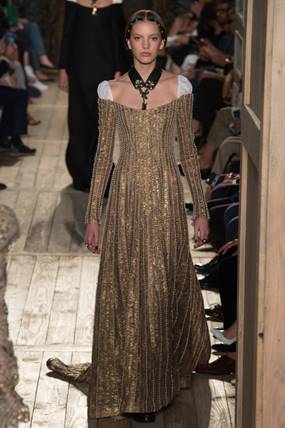
Valentino – 2016
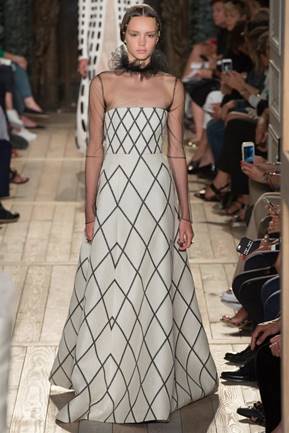
Valentino is also among the designers who have created collections inspired by Renaissance paintings.
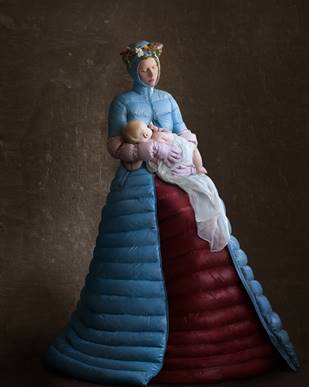
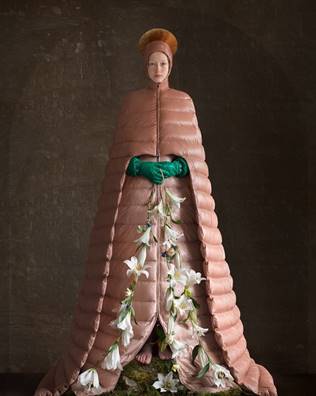
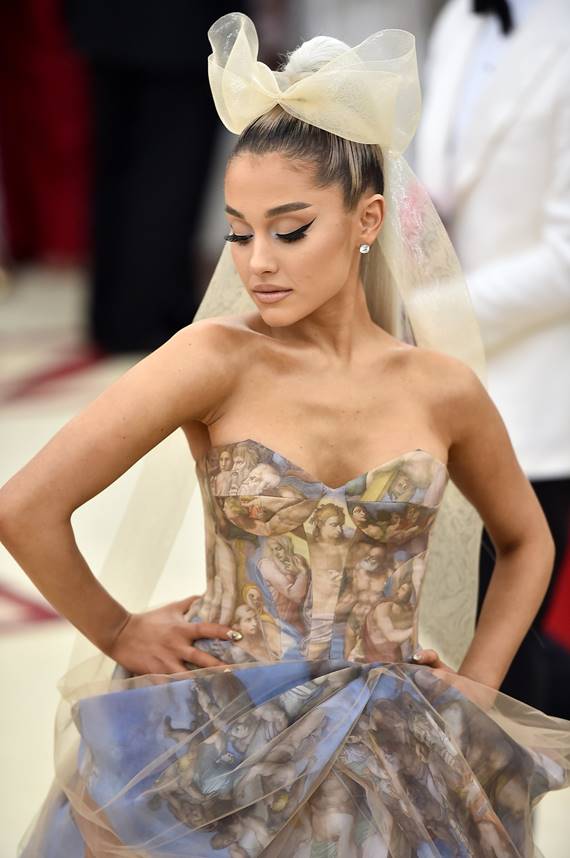
Ariana Grande in a Vera Wang dress featuring Michelangelo’s famous Sistine Chapel painting – 2018
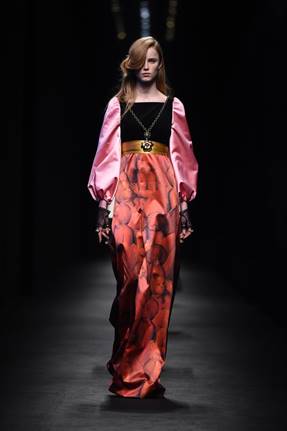
Gucci – 2016
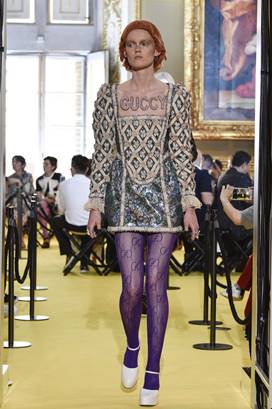
Gucci – 2018
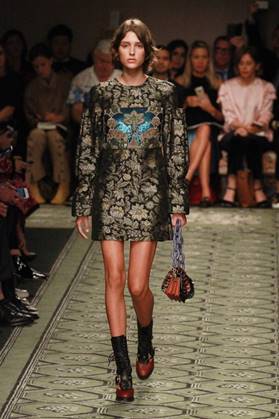
Burberry – 2017
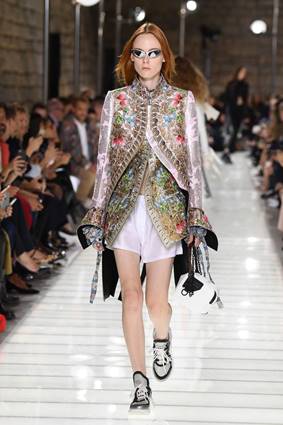
Louis Vuitton – 2018
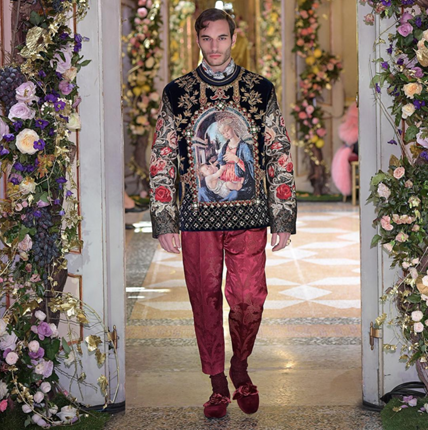
After drawing inspiration from Renaissance paintings in 2018, Dolce & Gabbana returned to the Italian Renaissance for its 2020 Alta Moda collection.
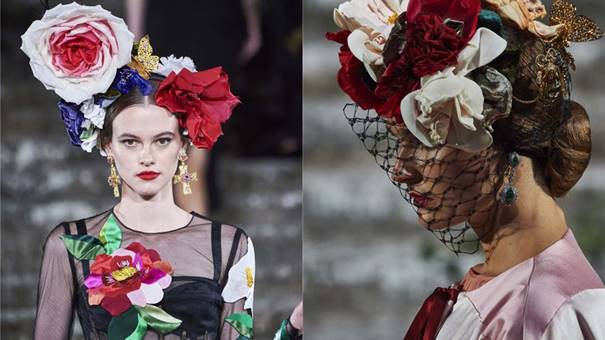
Embroidery, ornamentation, three-dimensional flowers and tulle featured prominently in the collection presented at Villa Bardini in Florence.
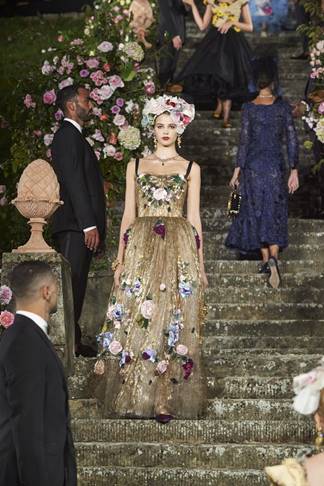
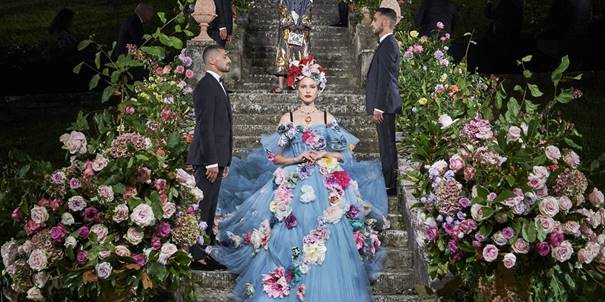
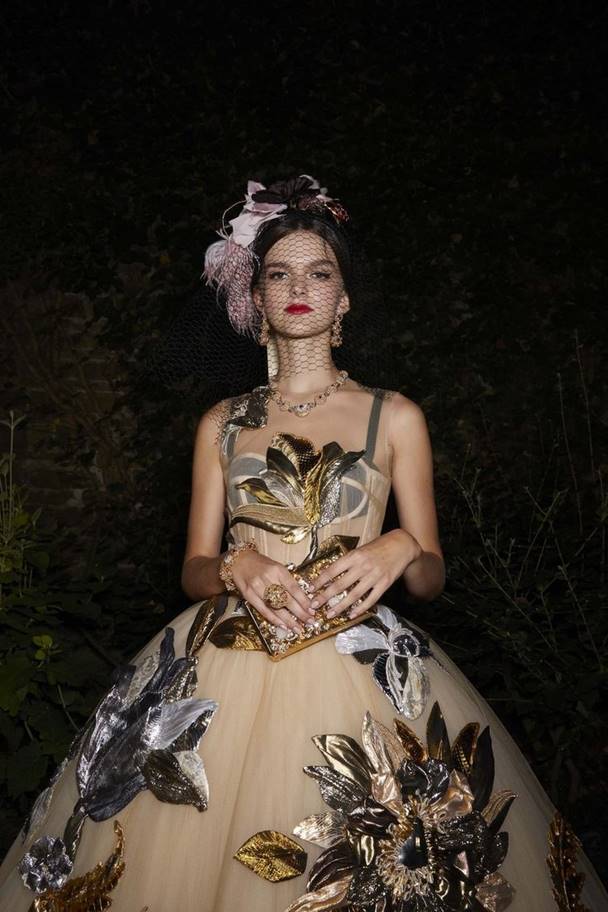
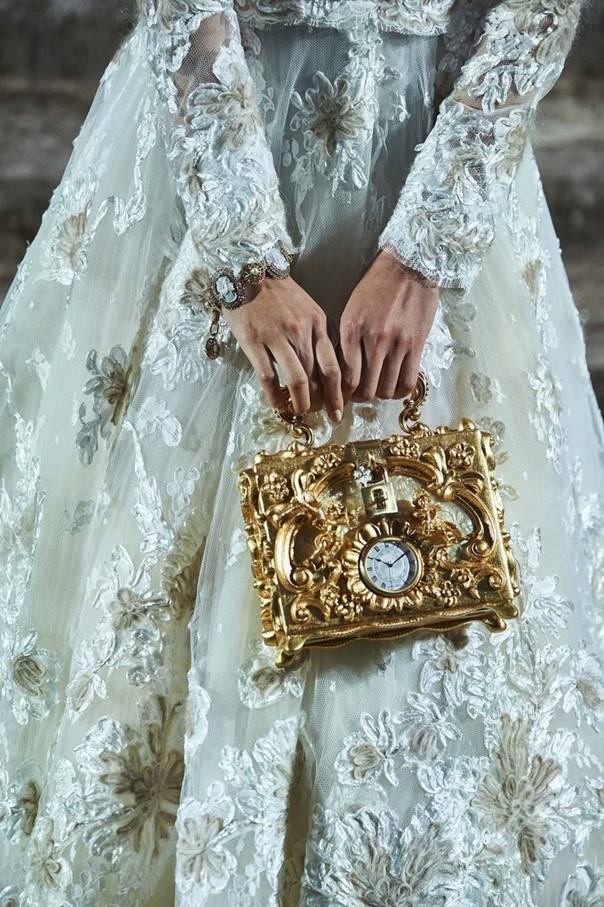
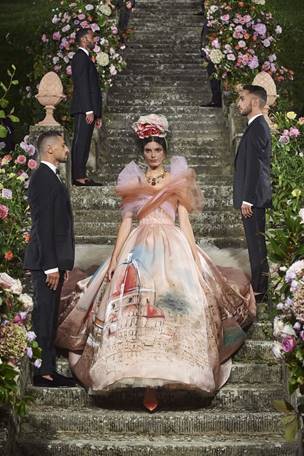
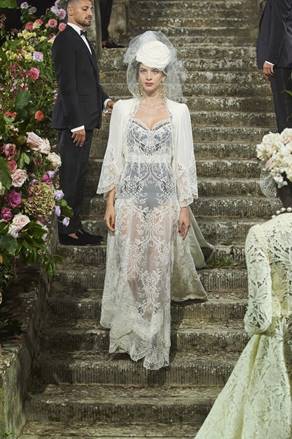
“During this historical period, tailors, particularly Florentine craftspeople, created clothing and accessories using what they had in their workshops, or botteghe, combining different materials with great creativity. Materials such as natural and coloured raffia, coral and hard stones gave rise to Arte Povera.” –
Domenico Dolce & Stefano Gabbana