Skin analysis and individual needs are central to beauty treatments. Appropriate methods can improve the effectiveness of skincare.
Skincare has received attention since ancient Egypt, where early face masks were made from clay. In the 16th and 17th centuries, women avoided the sun to preserve pale skin, then a symbol of nobility.
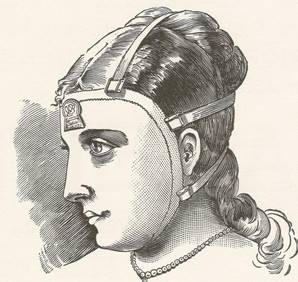
The first modern mask appeared in the 1800s. As it did not adhere to the face, it was secured with cords behind the head.
Beauty salons began opening in the 20th century to help clients achieve radiant skin. In the 1940s in particular, rosy cheeks represented health and beauty, and salon treatments reflected this ideal.
Alongside skincare, aromatherapy has become an important aspect of beauty therapy.
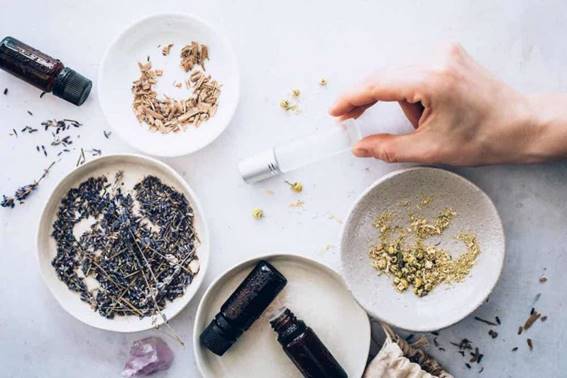
Aromatherapy uses oils obtained by distilling plant roots, leaves and flowers. Its origins are ancient; Ibn Sina drew a diagram of a distillation device and described plants’ therapeutic properties.
Meaning treatment through scent, aromatherapy is presented as a holistic approach to mind, body and spirit. Aromatherapy massage supports the concept of wellness, understood as living well and healthily.
Different massage oils are associated with different effects. The source describes calming, refreshing and energising properties and benefits for anxiety, depression and menstrual discomfort.
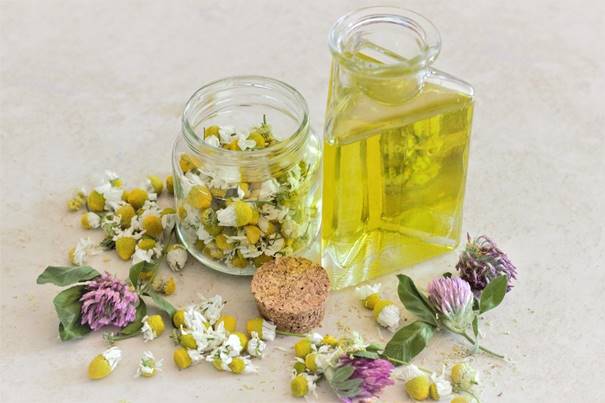
Benefits Attributed to Aromatherapy
• Stimulating blood and lymph circulation
• Giving the skin vitality and radiance
• Supporting psychological and physical relaxation
• Revitalising tired tissue
• Helping remove excess fluid from tissue
• Supporting new cell production
Main Aromatic Oils
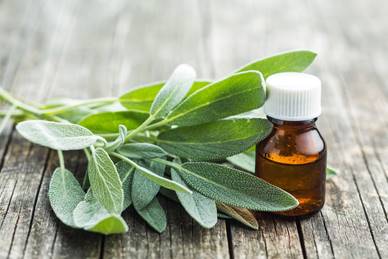
For skincare: bitter almond and sage oils
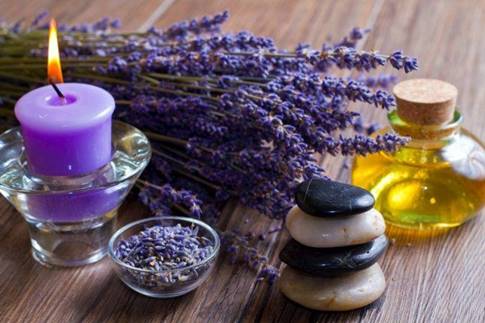
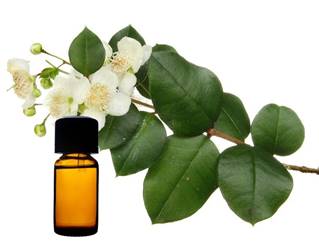
For sensitive and oily skin: lavender and myrtle oils
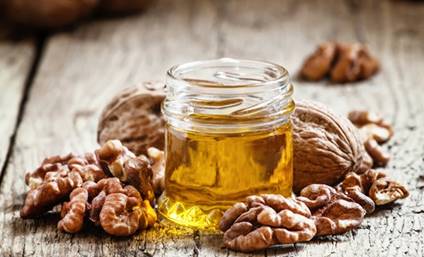
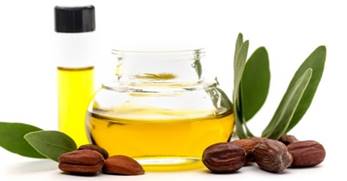
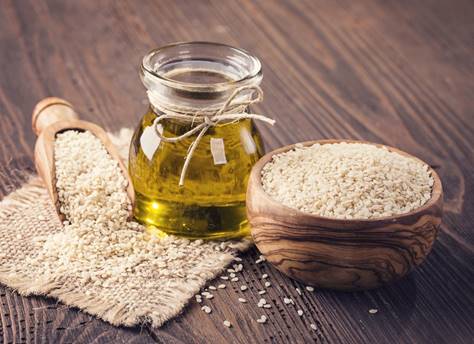
For dry skin: walnut, jojoba, senna and sesame oils
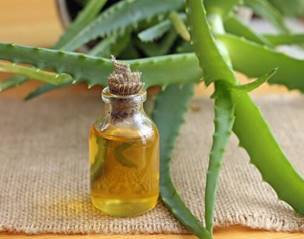
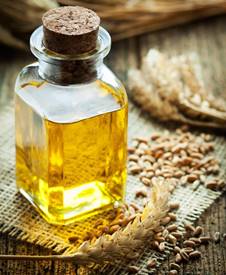
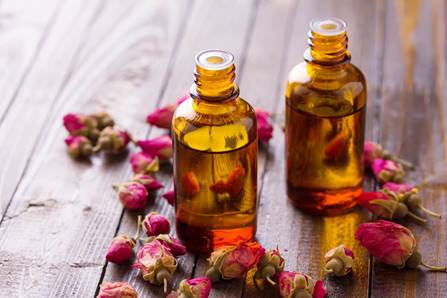
Oils described as supporting cell renewal: aloe vera, wheat and rose oils