

What Is Collagen?
Collagen is a protein naturally present in the body and produced from birth.
Collagen, which is found in large amounts in the skin, tendons, cartilage, bones and cornea of the eye, is also very important for the musculoskeletal system.
It is an important structural protein involved in the elasticity and renewal of connective tissues and the strength of hair and nails.
Although the body synthesises collagen naturally, several factors can reduce its production. Collagen synthesis slows particularly with age. Lifestyle, poor nutrition, high sun exposure, smoking, excessive alcohol consumption, inadequate vitamin C intake, air pollution, intensive exercise and irregular sleep can all deplete the body’s collagen reserves.
As a result of all these, collagen protein, which is abundant in the connective tissue, joints and skin, begins to decrease over the years and lose its structural integrity. This decrease begins in the 30s.
Type 1, 2 and 3 collagens are the most important.
Types 1 and 3 collagen account for 75% of the skin.
Applied to the skin, collagen provides intensive hydration through its ability to retain water and contributes to elasticity and firmness.
Collagen is associated with greater skin elasticity, fewer wrinkles, support for heart health and digestion, protection of the eyes and stronger bones.
Bone broth, meat, fish and chicken, and red fruits and vegetables are the foods most concentrated in collagen.

Collagen Support
Folic acid: Folic acid, which is important for a healthy skin appearance, also provides elasticity to the skin by increasing collagen synthesis and supports cell regeneration.
Vitamin K: Vitamin K not only accelerates the production of collagen, which forms the skeleton of the skin, but also supports the synthesis of elastin, which gives elasticity to the skin.
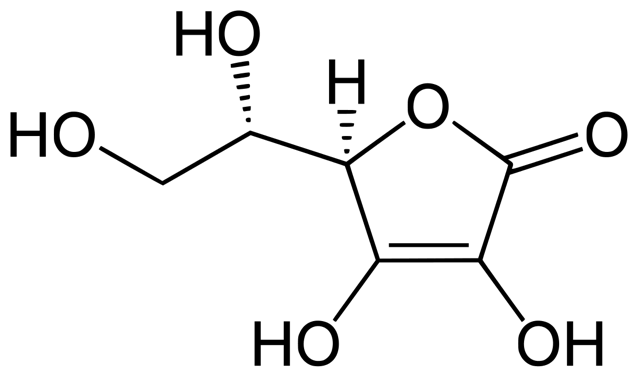
Vitamin C: Plays an important role in the body’s synthesis and stabilisation of collagen. It brightens the skin and helps delay ageing.
Nanolaser Peeling: Superficial laser peeling removes the upper layer to renew the skin and increase collagen production.
Purified DNA Injections: These injections are used to hydrate and nourish tissue beneath the skin and stimulate collagen production.
BBL: Broad-spectrum light technology stimulates new collagen formation without damaging tissue beneath the skin and helps prevent age-related DNA deterioration.

Collagen Induction Therapy: Intended to increase skin thickness, elasticity and overall skin quality in the treated area.