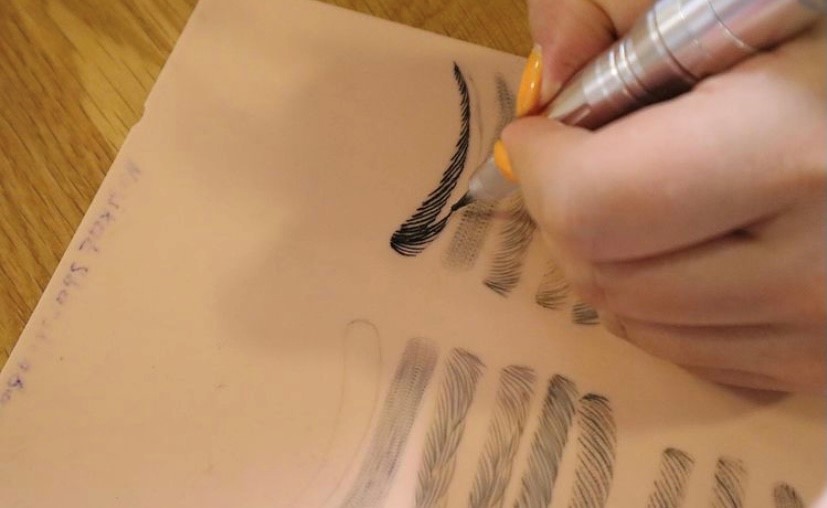
Microblading, described technically as epidermal pigmentation, is a prominent trend in eyebrow enhancement.
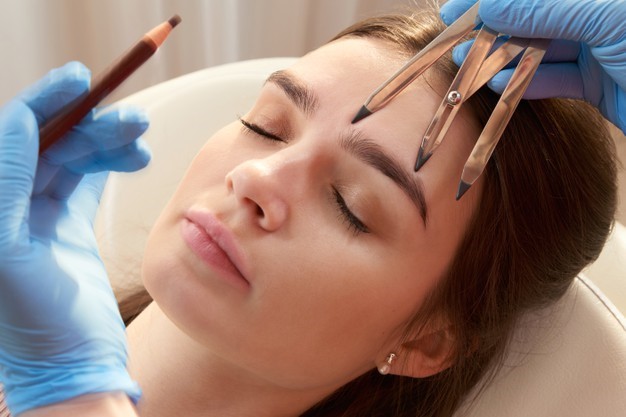
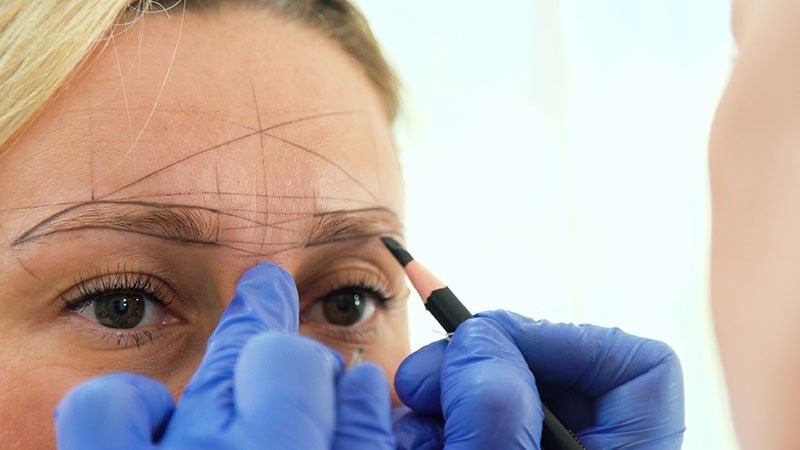
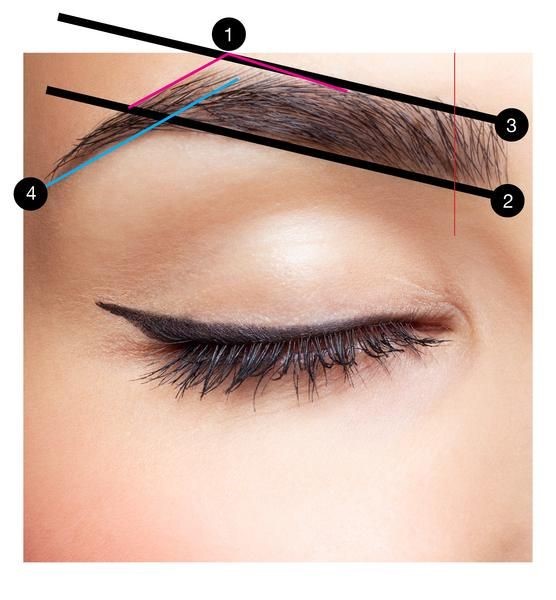
Fine microblades create a natural appearance and fuller-looking eyebrows. The aim is to design brows suited to the individual’s face using the golden ratio.
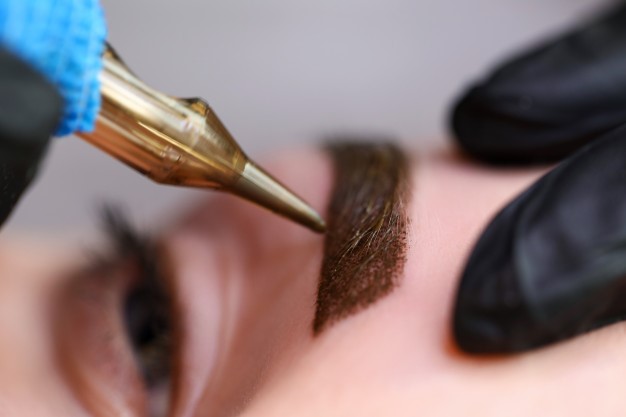
A very small amount of pigment is placed on the skin with a manual pen.
Pigments with a slightly higher consistency than device pigments are used.
The pigments are water-based and have a very low heavy-metal content.
Pigment can be placed as far as the third and fourth layers of the epidermis.
How to Prepare for Microblading?
Avoid waxing or tweezing the eyebrows for approximately 1 week beforehand.
Avoid alcohol and caffeine, which can increase skin sensitivity, for 1 day beforehand. The source also advises avoiding blood-thinning medicines and supplements such as ibuprofen, aspirin, fish oil and vitamin E.
After microblading, the source recommends keeping the eyebrows dry and away from water for ten days, with appropriate ointments used to address scabbing and itching.
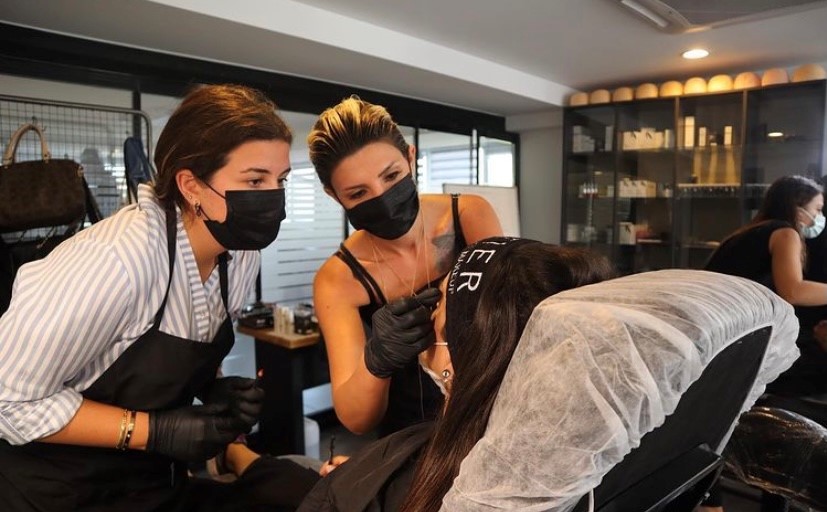
To be able to perform microblading application, a professional training is required.
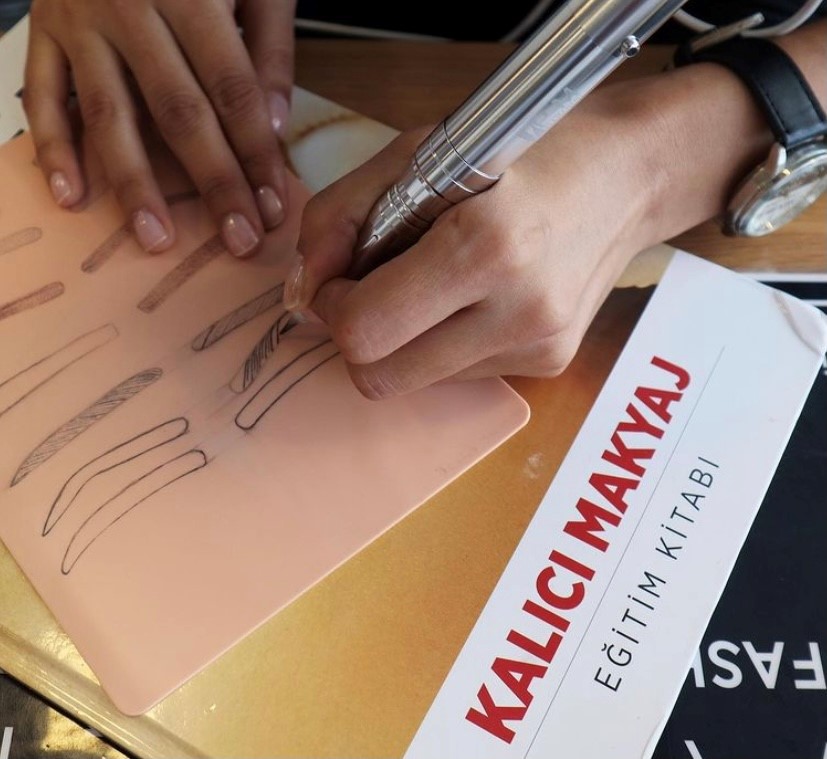
International Altier Academy’s Ministry of National Education-approved Permanent Makeup certificate programme trains professionals in permanent makeup principles, colour and pigmentation. It covers the technical application of eyebrow contouring, microblading and 3D–6D hair strokes, permanent eyeliner and lash-line enhancement, and lip contouring.
– General Theory of Permanent Makeup
– Basic Anatomy, Skin Types and Micropigmentation Practice
– Colour Theory, Pigmentology, Neutralisation, Microblading and Combination Techniques
– 3D and 6D Hair-Stroke Techniques
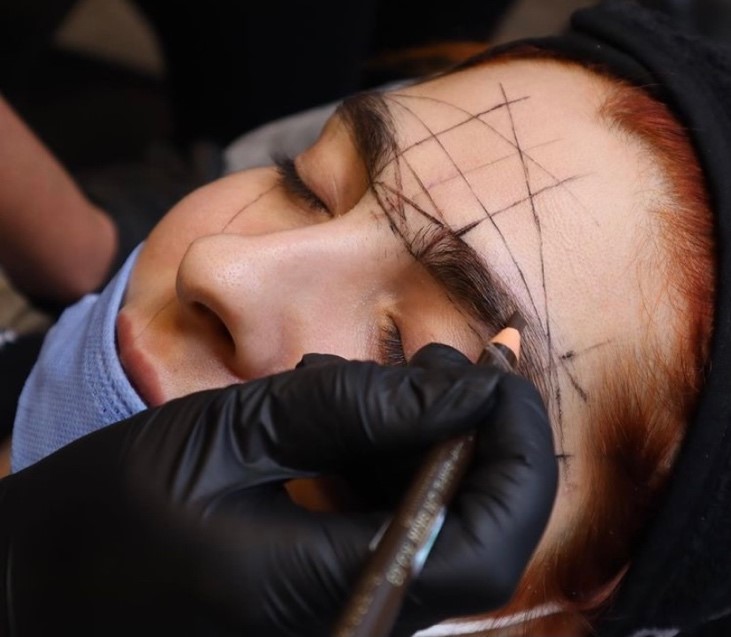
– Face Shapes, Ideal Facial Proportions (Golden Ratio), Eyebrow Measurement and Design
– Powder Brows on a Live Model
– Hair-Stroke Technique on a Live Model
– Lip Contouring, Colouring and Rejuvenation
– Eyeliner and Lash-Line Enhancement