Hair Color Trends: 17 Most Popular Hair Colors and Shades
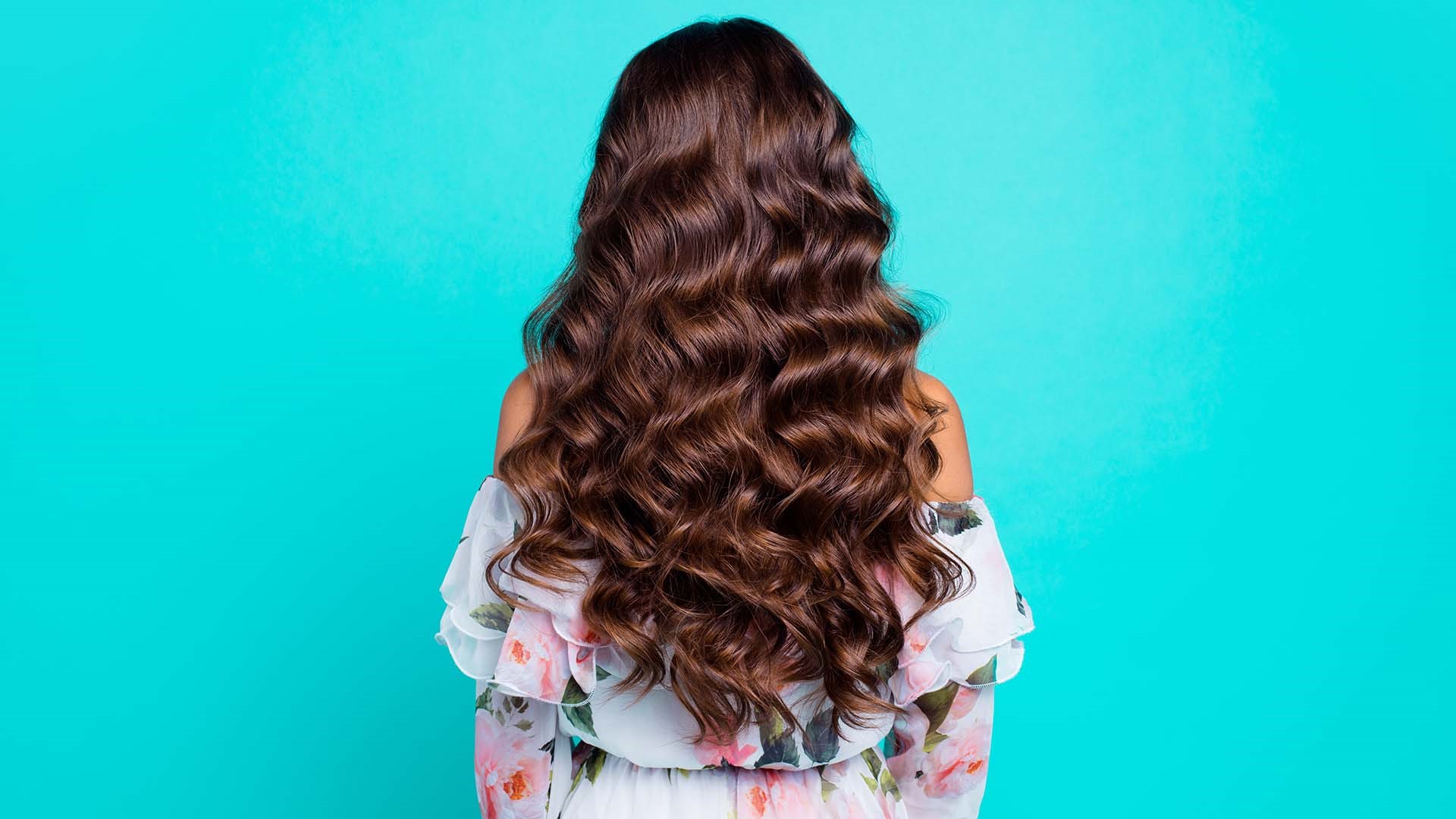
Hair colors are among the most important elements of the fashion and beauty industry. As one of the most effective ways to express personal style, enhance facial features, and refresh one's appearance, hair coloring continues to evolve through different techniques and color combinations.
Hair color trends offer a wide range of alternatives, from natural brown shades and metallic blondes to warm caramel tones, pastel pinks, and purples. Natural color transitions, multidimensional coloring techniques, and personalized color applications also play an important role in the professional hairdressing industry.
When choosing the right hair color, it is essential to consider not only fashion trends but also skin tone, skin undertone, eye color, hair structure, and personal style.
In this guide, you can explore the 17 most popular hair colors, their characteristics, and the different looks they can help you achieve.
What Are the Most Popular Hair Colors?
Popular hair colors include silver blonde, platinum blonde, champagne blonde, baby blonde, strawberry blonde, ash brown, caramel brown, jet black, cinnamon, magenta, and pastel pink.
While brown and caramel shades are ideal for those seeking a natural appearance, metallic, copper, and pastel shades offer attractive alternatives for individuals who prefer a more distinctive look.
1. Silver Blonde
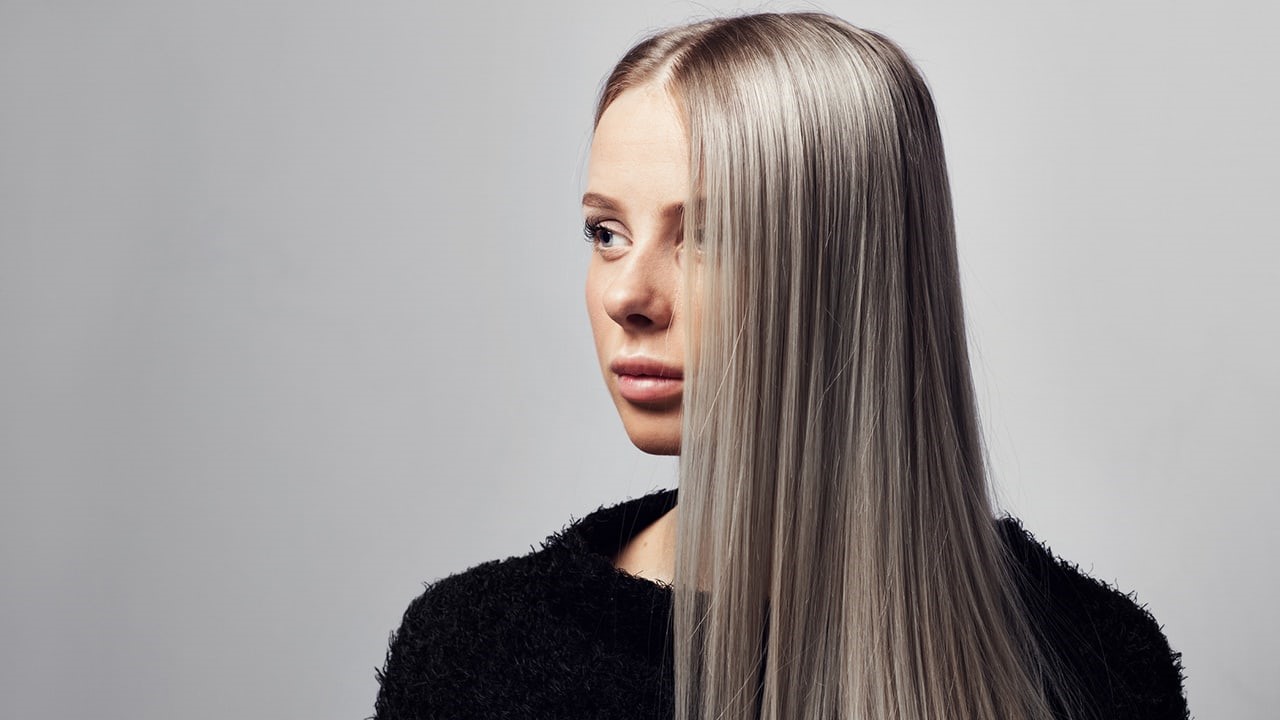
Silver blonde hair color is a modern shade that combines classic light blonde tones with metallic gray reflections. Similar to platinum blonde, this color creates a cool, bright, and sophisticated appearance.
It can create a particularly balanced look for individuals with cool skin undertones. Metallic reflections become more noticeable on straight hair, while wavy hairstyles can enhance the depth of color transitions.
To maintain silver blonde hair, color-protecting hair care products should be used, and unwanted yellow undertones should be carefully neutralized.
2. Blonde Roast Hair Color
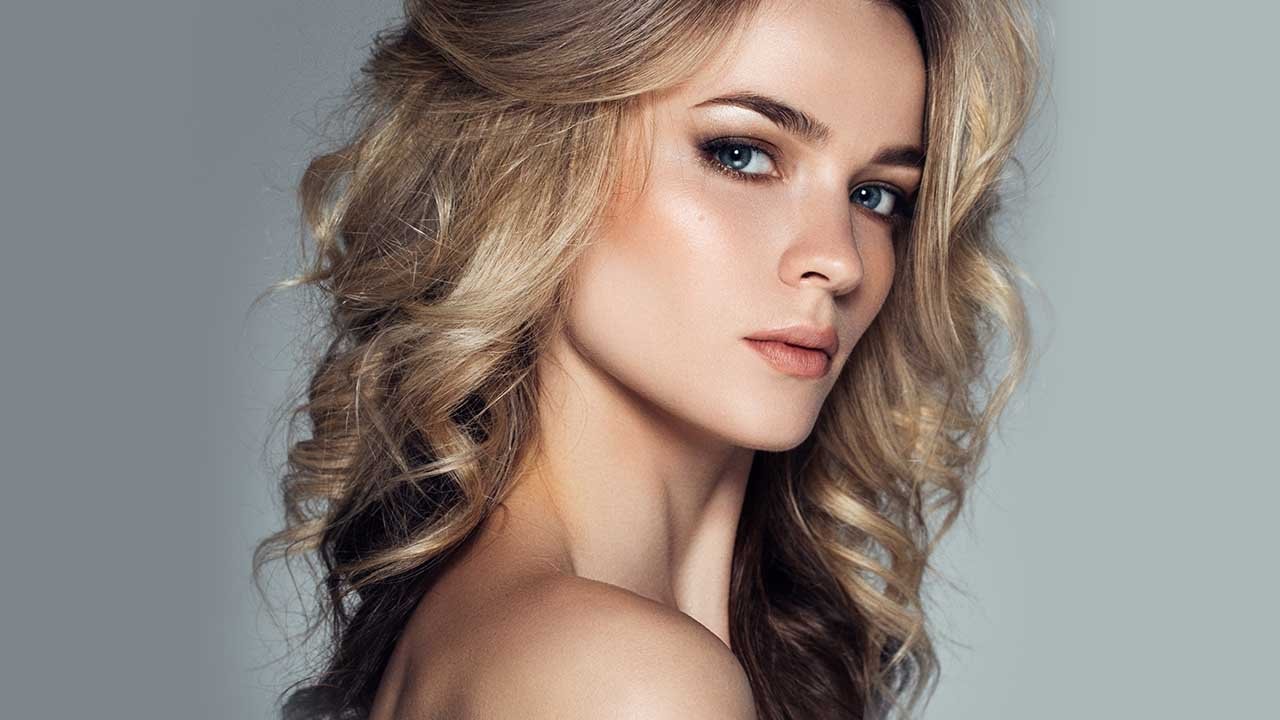
Blonde Roast hair color is a multidimensional shade that combines dark brown and blonde tones through natural color transitions. Gradual transitions from darker roots to lighter ends can give the hair a dynamic and voluminous appearance.
It is an excellent alternative for individuals who want to refresh their appearance without completely changing their natural hair color.
Blonde Roast can be achieved using hair coloring techniques such as balayage and ombre. Keeping the roots close to their natural color can also reduce the need for frequent root touch-ups.
3. Champagne Blonde
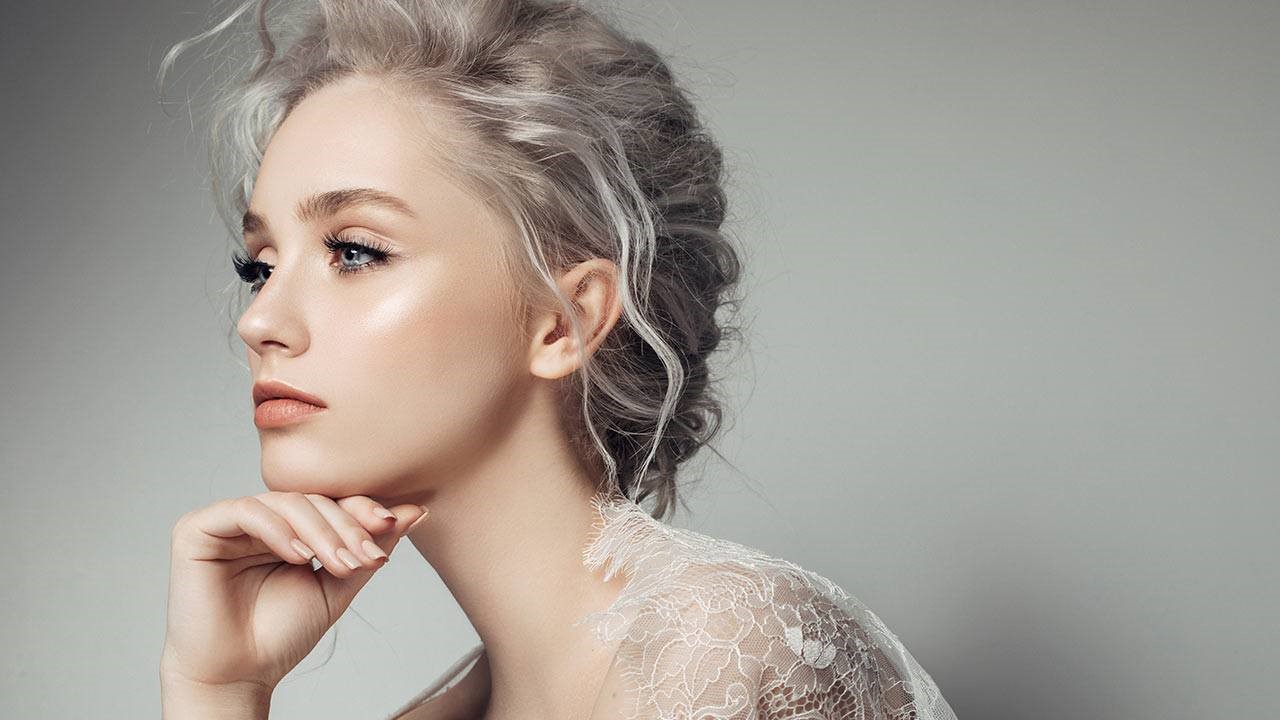
Champagne blonde hair color is an elegant blonde shade that combines beige, golden, and subtle pink reflections. Its soft color transitions create a natural and sophisticated appearance.
This shade can provide a brighter appearance for individuals with fair skin. By balancing warm and cool reflections, champagne blonde can also be customized to complement different skin undertones.
In addition to full-color applications, it can be combined with balayage and face-framing highlights.
4. Platinum Blonde
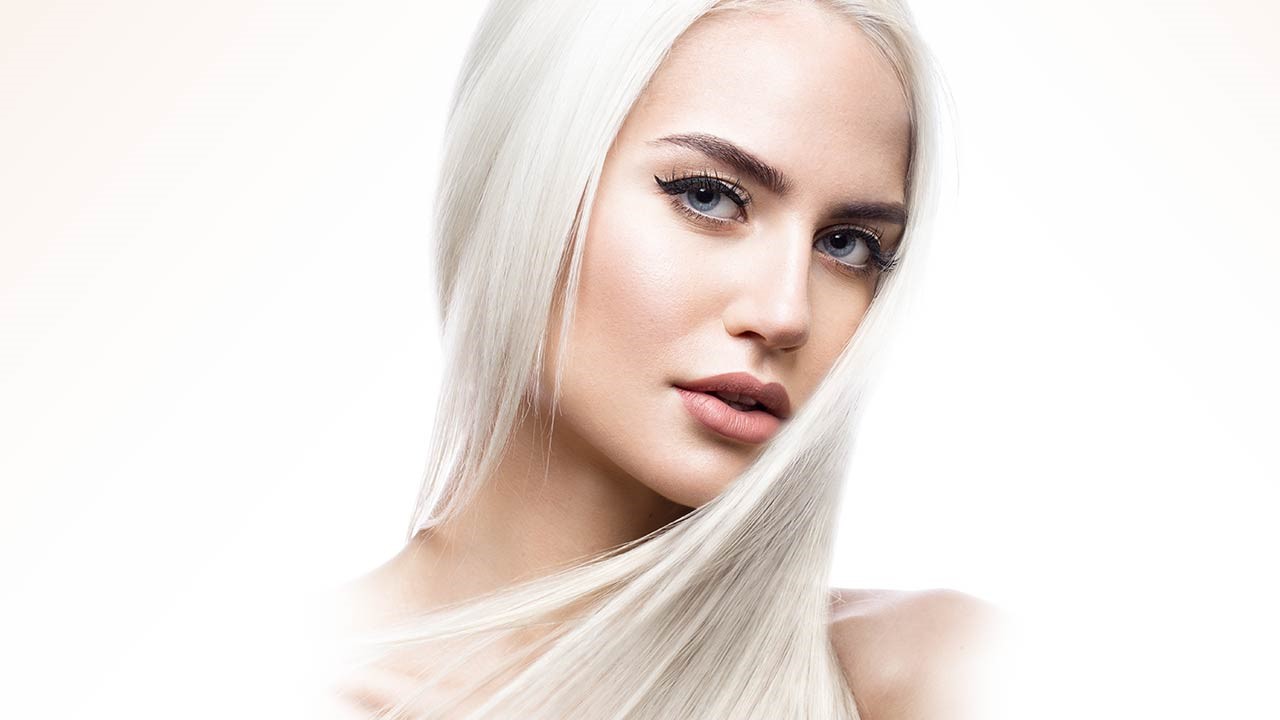
Platinum blonde hair color is one of the lightest and most striking blonde shades. Its nearly white appearance creates a bold, modern, and sophisticated style.
Popular variations include silver platinum, creamy platinum, and platinum blonde with natural root transitions.
Before applying platinum blonde, the hair's existing color, porosity, and previous chemical treatments should be carefully evaluated. Since this shade may require intensive bleaching, professional application and regular hair care are essential.
5. Baby Blonde
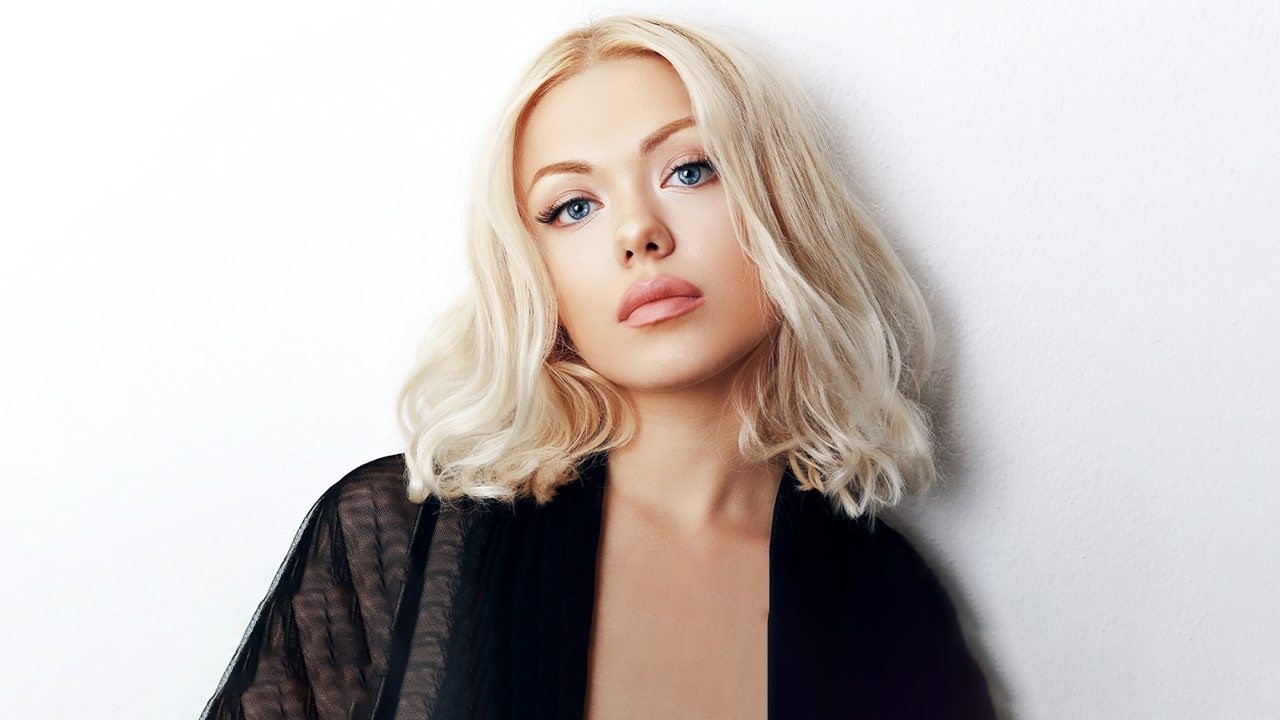
Baby blonde hair color is a classic coloring option inspired by naturally soft blonde shades. Light blonde, cream, and beige reflections create a delicate and natural appearance.
When applied using fine highlights and babylights techniques, baby blonde can create the appearance of naturally lightened hair.
Lighter strands around the face can also help achieve a brighter and more vibrant look.
6. Strawberry Blonde
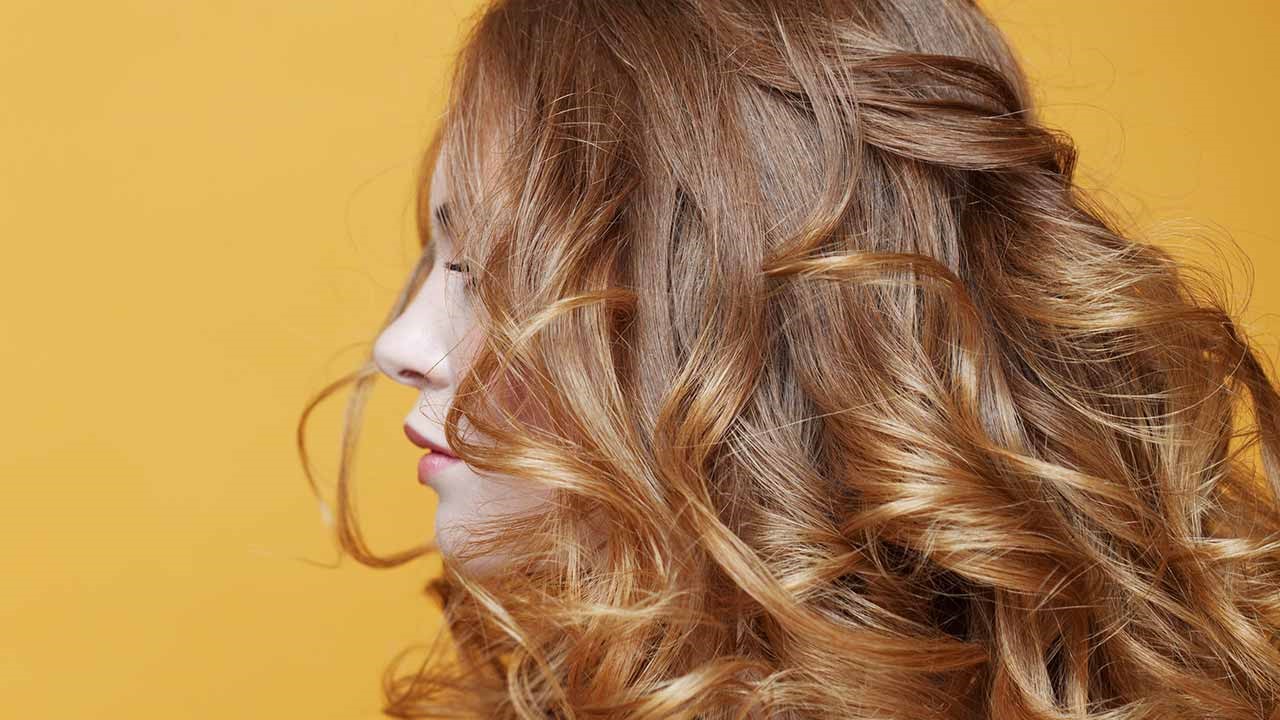
Strawberry blonde hair color is a warm shade that combines blonde and copper tones with subtle red reflections.
It offers an attractive alternative for individuals who want to move away from traditional blonde shades without transitioning to intense red hair colors.
Strawberry blonde can complement warm and neutral skin undertones. Its rich color reflections can become particularly noticeable in naturally wavy hairstyles.
7. Rose Blonde Hair Color
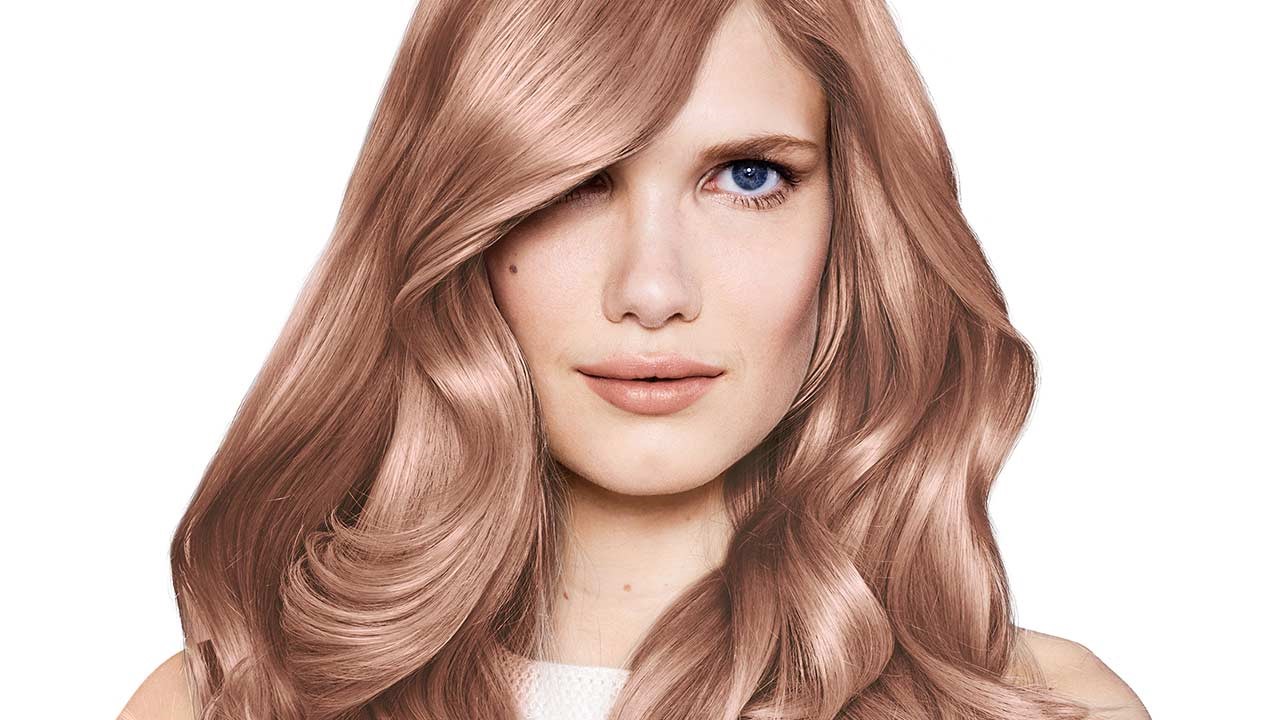
Rose blonde is a creative hair coloring option that enriches light blonde hair with pink and rose-colored reflections.
Rose blonde hair color can be personalized by combining pastel pink and warm golden tones in different proportions. This makes it possible to create results that complement various skin undertones and personal styles.
Since pastel pigments may fade over time, color-protecting shampoos and regular color-refreshing treatments are important for maintaining the desired shade.
8. Dulce de Leche Hair Color
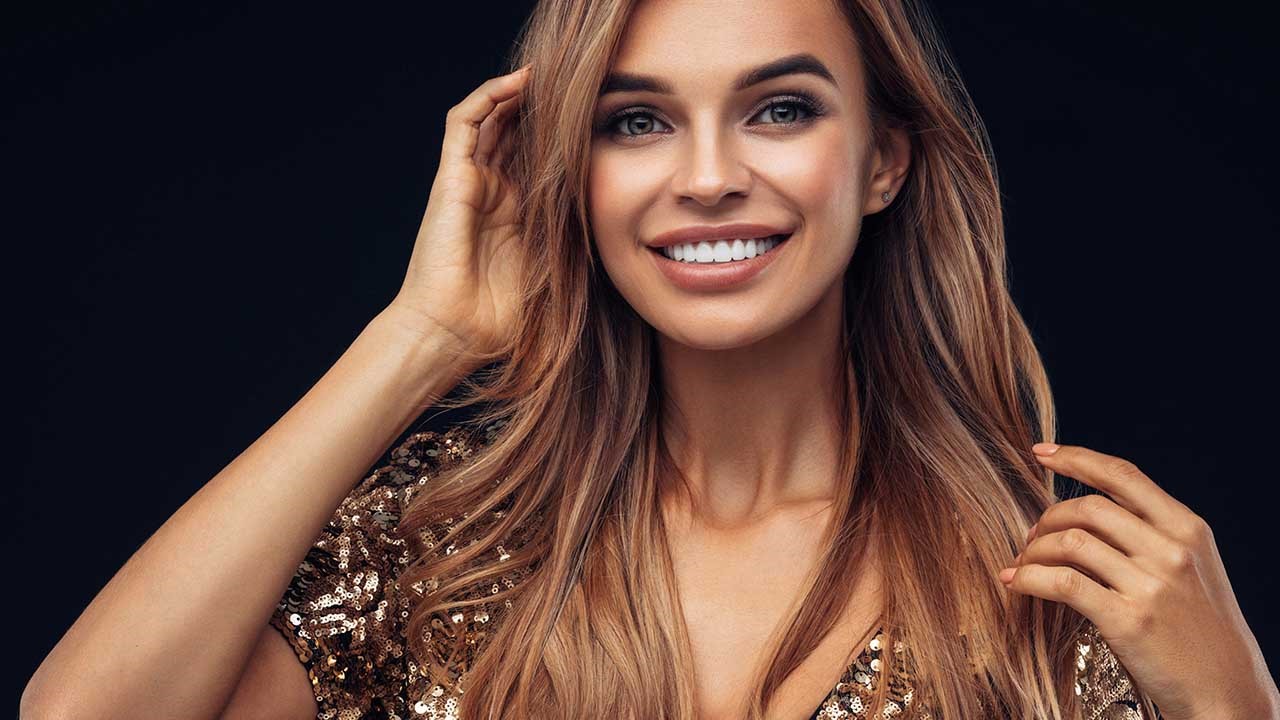
Inspired by the caramelized milk dessert of the same name, Dulce de Leche is a hair coloring style that combines a warm brown base with honey and caramel reflections.
As one of the most attractive caramel brown hair colors, this shade can add natural depth, warmth, and dimension to the hair.
When combined with balayage techniques, Dulce de Leche hair color can make color transitions more noticeable, particularly in long and layered hairstyles.
9. Mushroom Brown
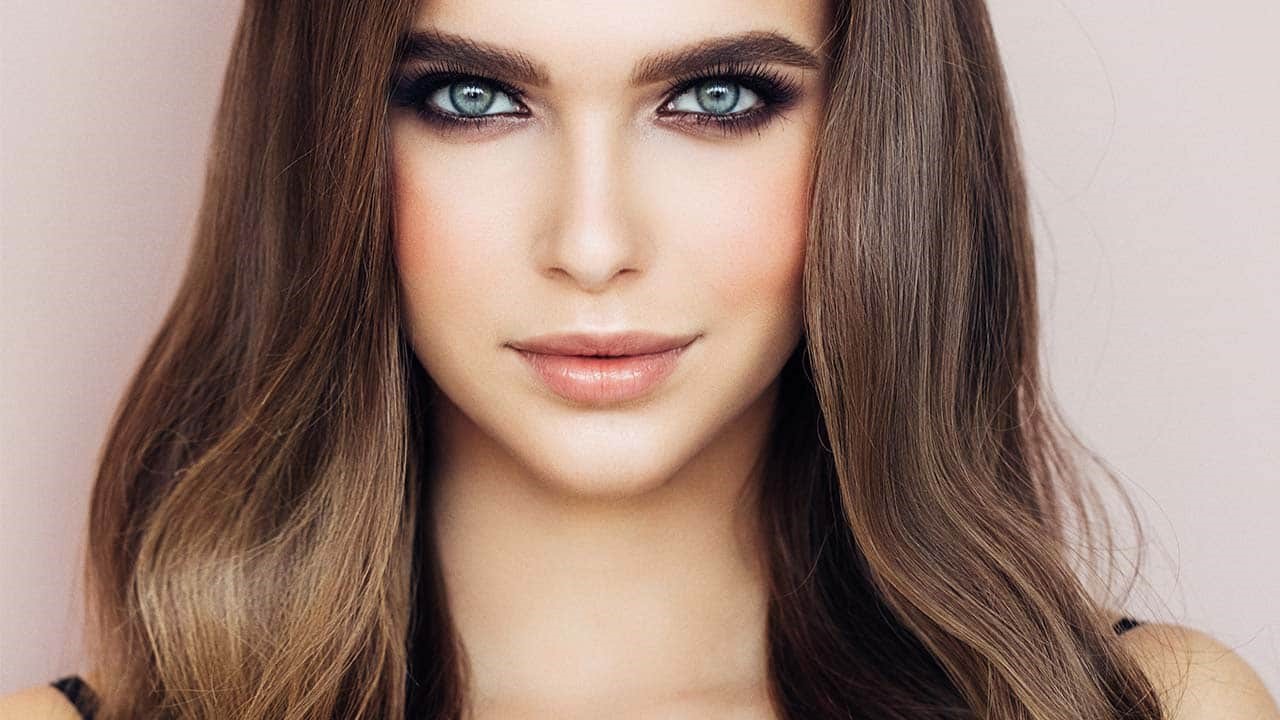
Mushroom brown is a neutral or cool-toned hair color that combines brown, ash beige, and gray shades.
Mushroom brown hair color is an excellent alternative for individuals who want to avoid intense red and orange undertones.
When combined with natural root shading and fine balayage applications, mushroom brown can create a sophisticated, multidimensional appearance.
10. Ash Brown
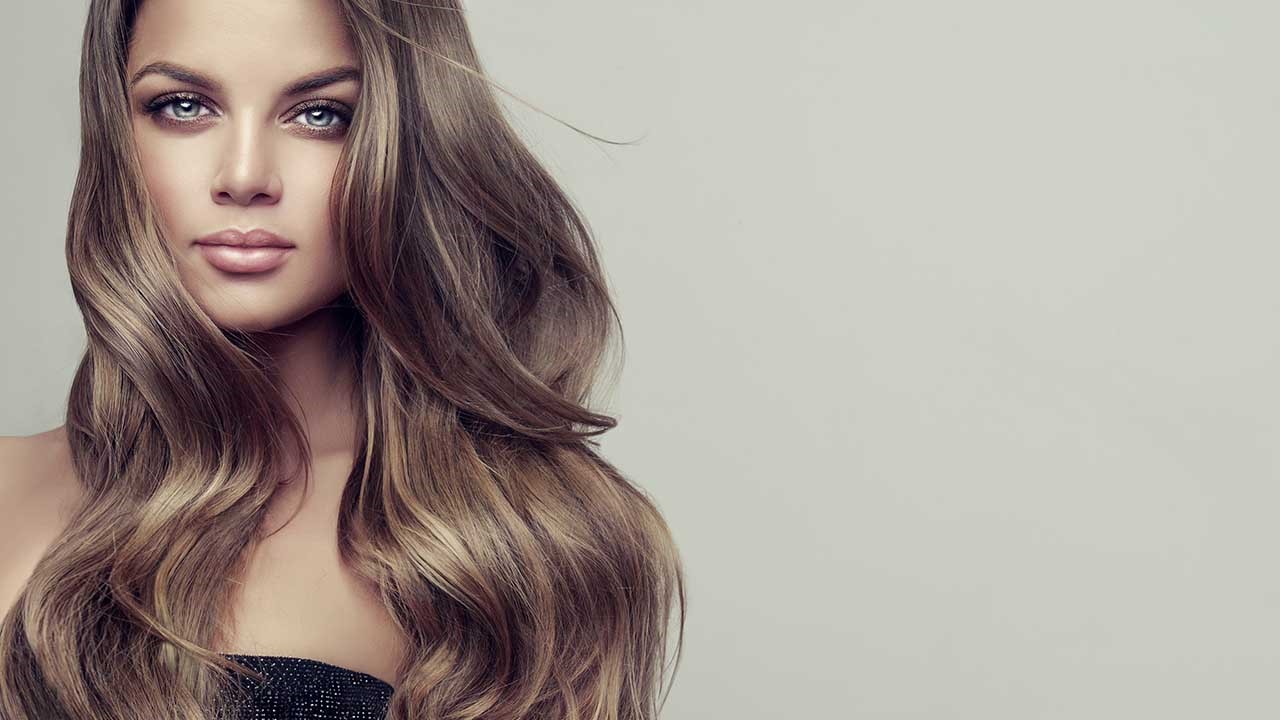
Ash brown hair color is a modern and natural-looking shade in which brown tones are balanced with cool pigments.
It can be applied in light, medium, and dark variations. Ash brown is particularly suitable for individuals who prefer to minimize unwanted warm and orange reflections in their hair.
This shade can be enriched with ash beige, cool chocolate, and neutral brown transitions, making it a versatile option in professional hair coloring applications.
11. Jet Black
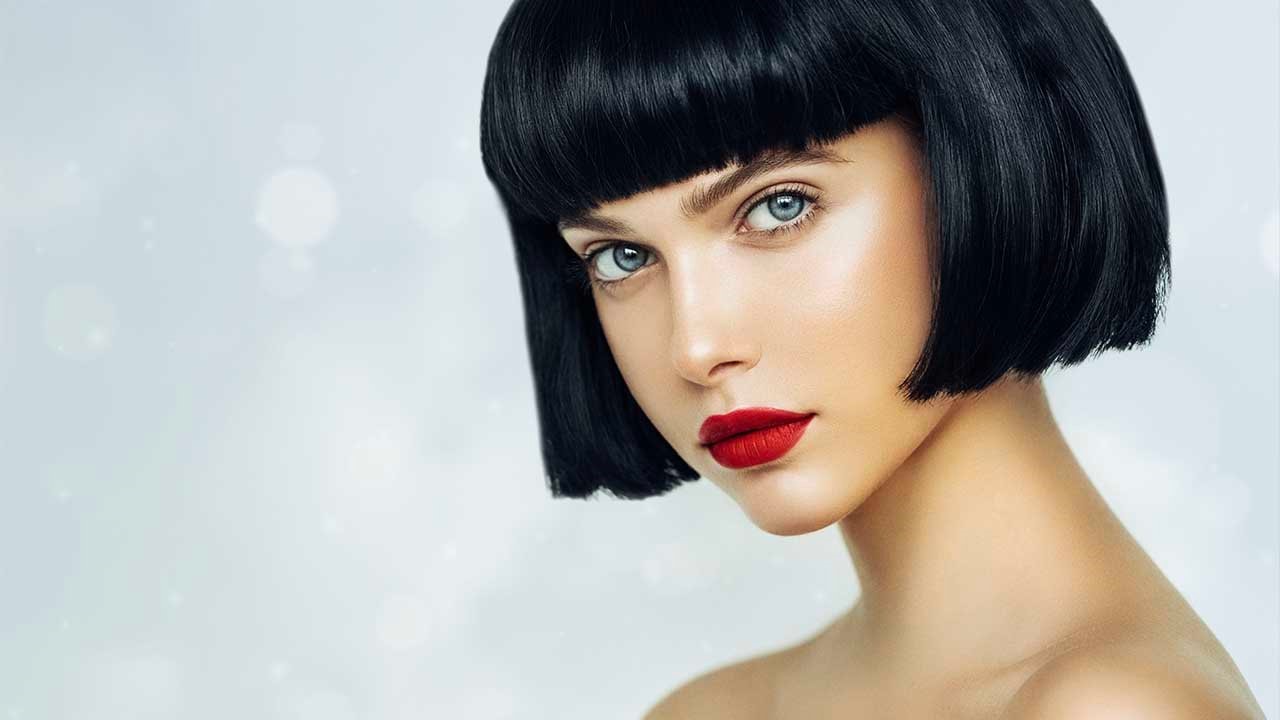
Jet black hair color is a classic shade characterized by its intense pigmentation and bold appearance. Depending on the hair dye formulation, it may also contain subtle blue reflections.
Jet black enhances the appearance of shine on the hair surface and can create an impressive look in both straight and wavy hairstyles.
Since transitioning from black hair to lighter shades can be challenging, long-term color preferences should be carefully considered before application.
12. Chili Chocolate Hair Color
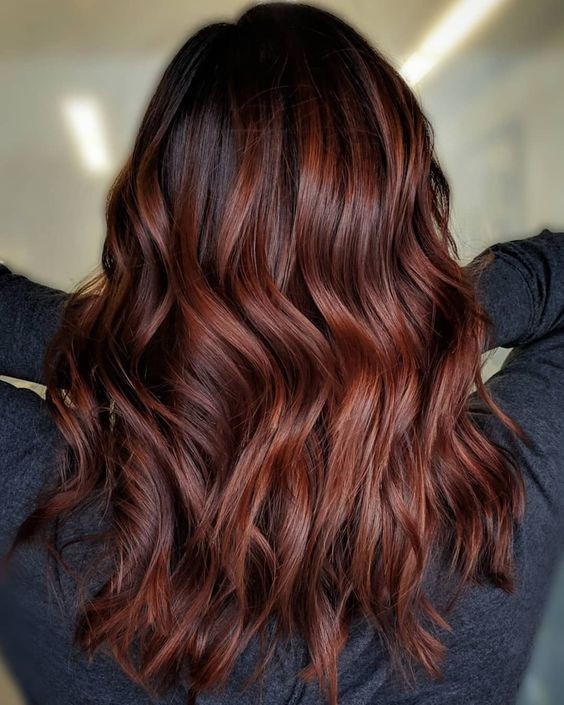
Chili Chocolate is a rich hair color that combines chocolate brown with warm red and copper pigments.
It is an attractive alternative for individuals who want to add vibrancy to classic brown hair. Instead of using intense red shades, subtle red reflections can create a more balanced and natural appearance.
Chocolate brown hair colors can also be enhanced with balayage and partial coloring techniques to create additional depth and movement.
13. Cinnamon Hair Color
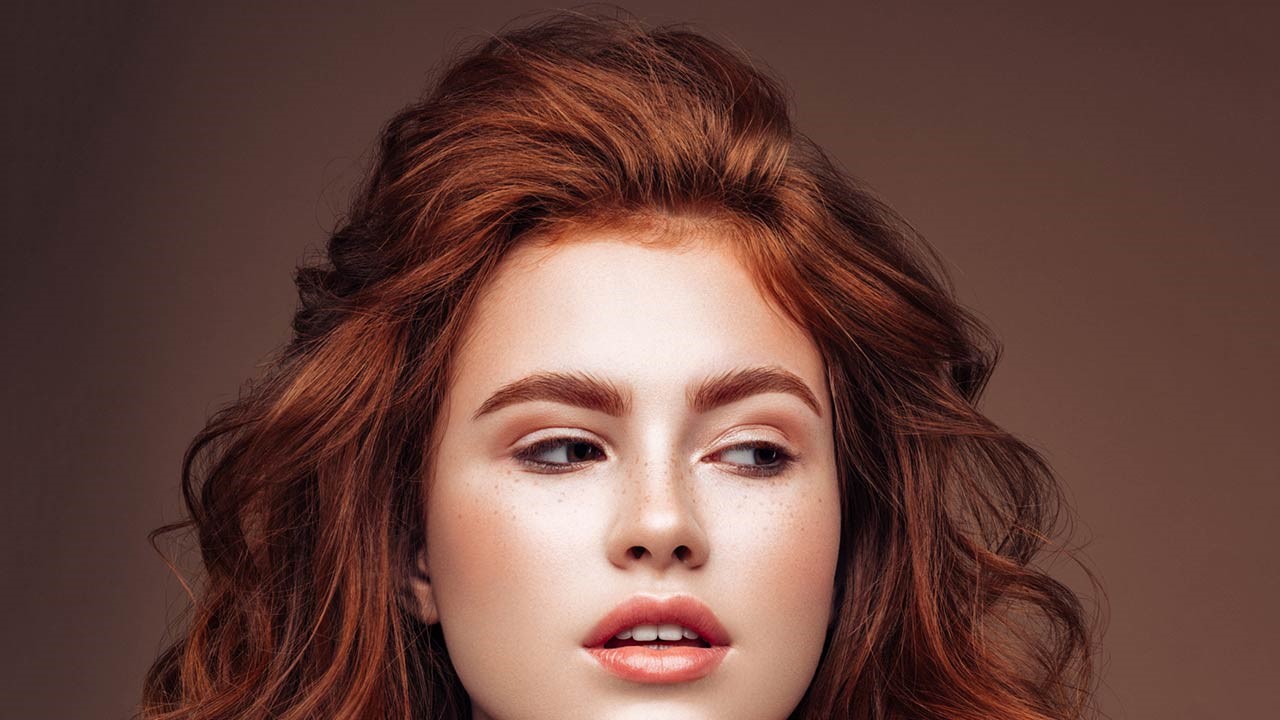
Cinnamon hair color is a natural-looking shade that combines warm brown, copper, and reddish tones.
Although it complements the warm color palettes of autumn and winter, cinnamon is a timeless hair color that can be worn throughout the year.
This shade can complement warm skin undertones and can be customized with light or dark cinnamon variations according to individual preferences.
14. Pumpkin Spice Hair Color
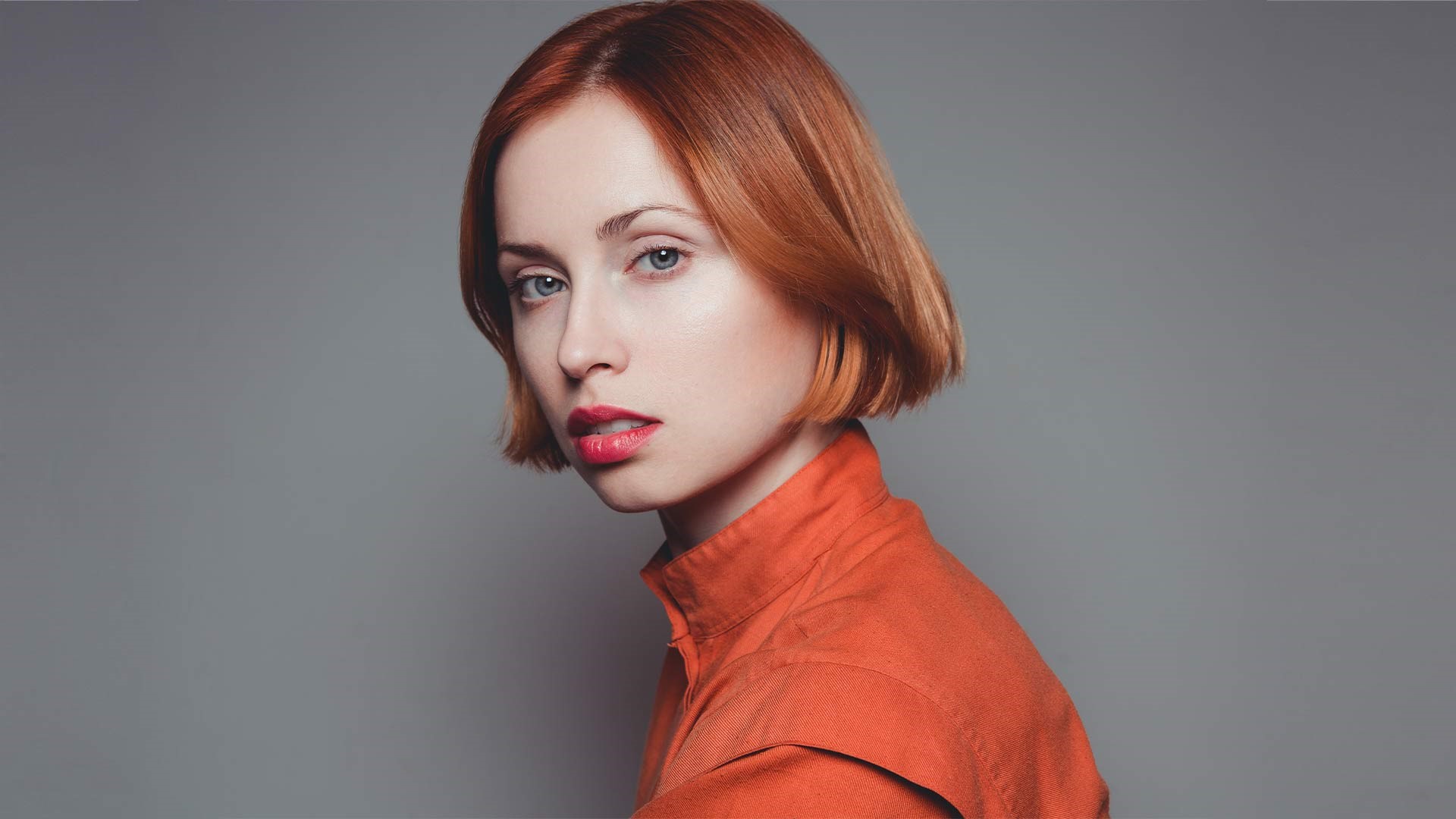
Pumpkin Spice is a hair color inspired by pumpkins and warm spice tones. It is created by combining copper, orange, golden, and brown pigments in different proportions.
As one of the most distinctive copper hair colors, Pumpkin Spice offers an attractive alternative for individuals seeking a vibrant and energetic appearance.
Depending on the natural hair color and skin undertone, it can be customized with more intense copper shades or softer brown transitions.
15. Magenta Hair Color
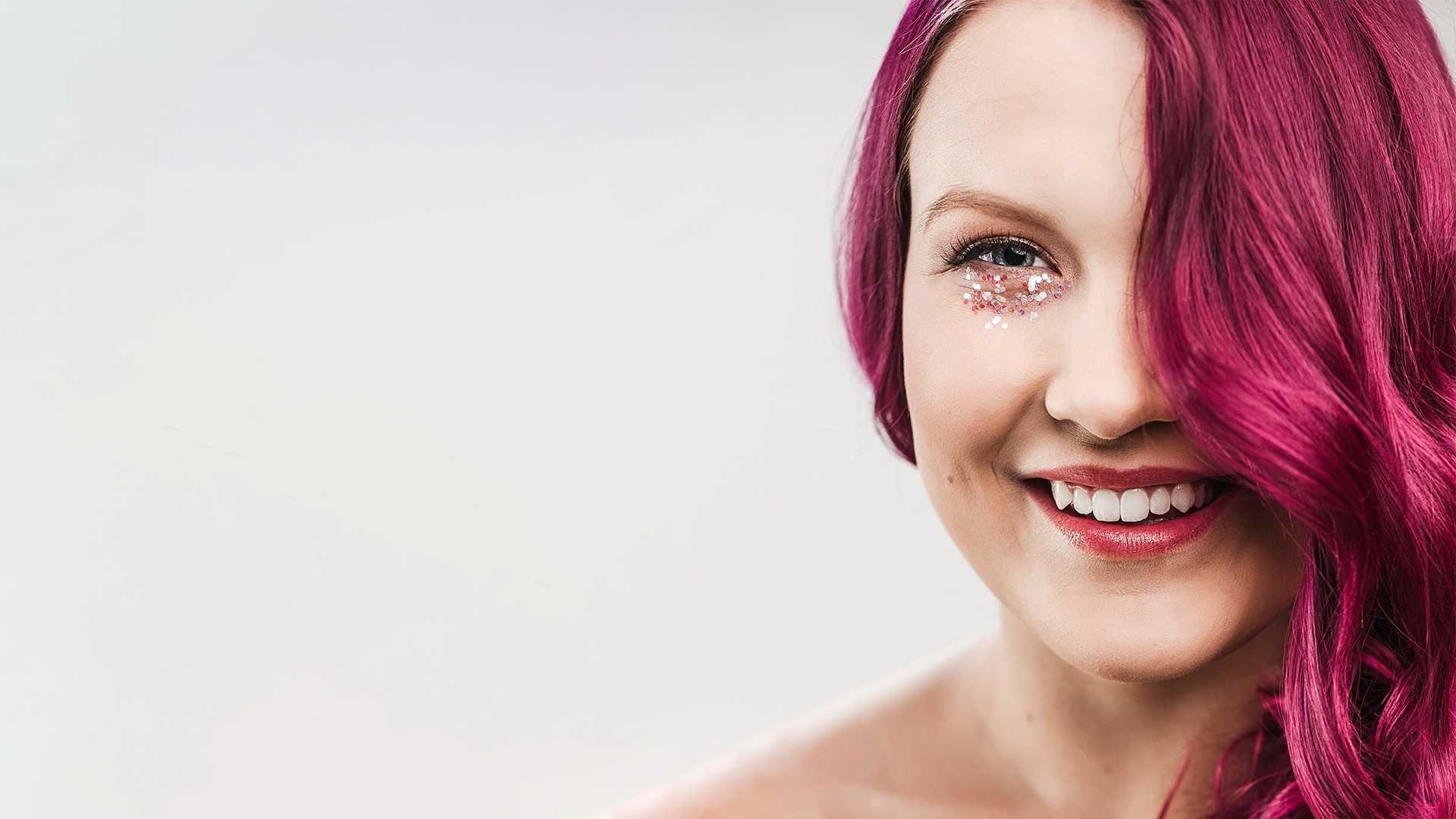
Magenta is a vibrant and bold hair color created by combining pink and purple pigments.
Magenta hair color is often preferred by individuals who want to move away from traditional hair colors and express their personal style more creatively.
It can be applied to the entire hair or incorporated through ombre, balayage, and partial coloring techniques. The intensity and warmth of the shade can be adjusted according to individual preferences.
Establishing an appropriate hair care routine is essential for maintaining the vibrancy of these pigments.
16. Pastel Pink Hair Color
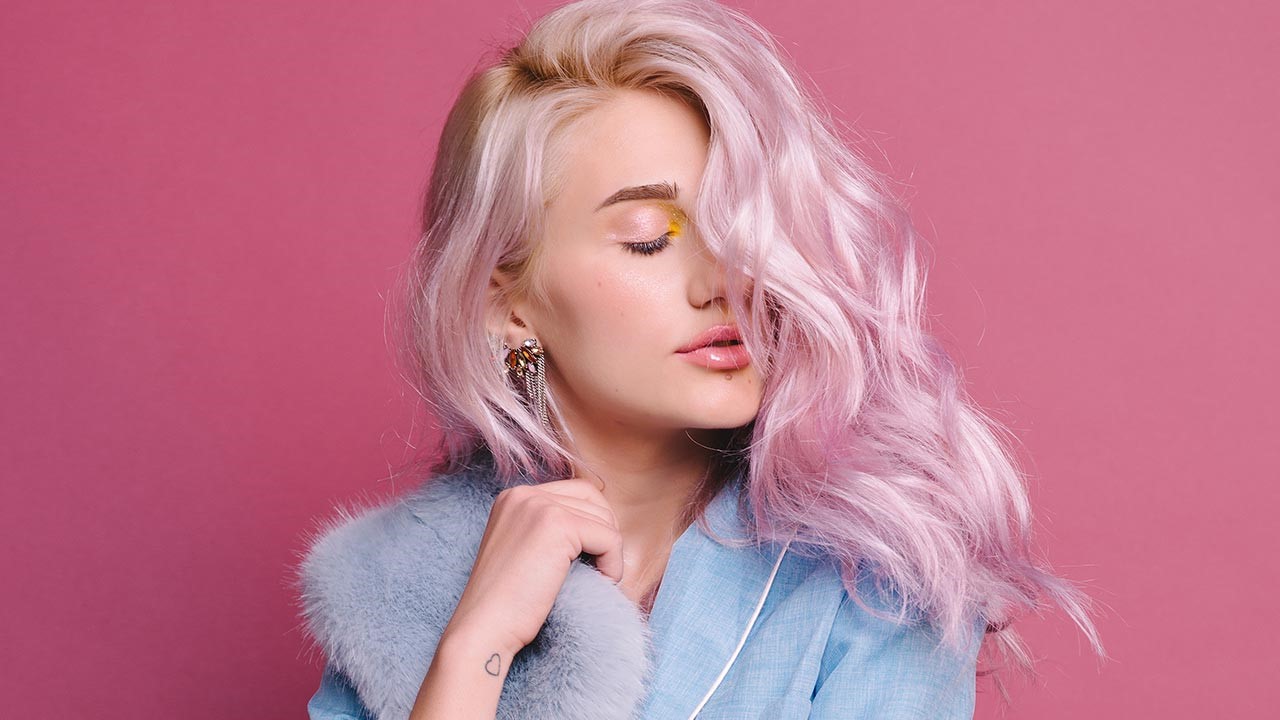
Pastel pink hair color is a modern coloring alternative characterized by light and soft pink shades.
Popular variations include powder pink, rose pink, peach pink, and cool pastel pink.
Achieving the desired pastel shade often requires a light-colored hair base. Therefore, the suitability of the hair for bleaching should be professionally evaluated before application.
Regular color maintenance and appropriate hair care products can help preserve the softness and vibrancy of pastel pink shades.
17. Holographic Hair Color
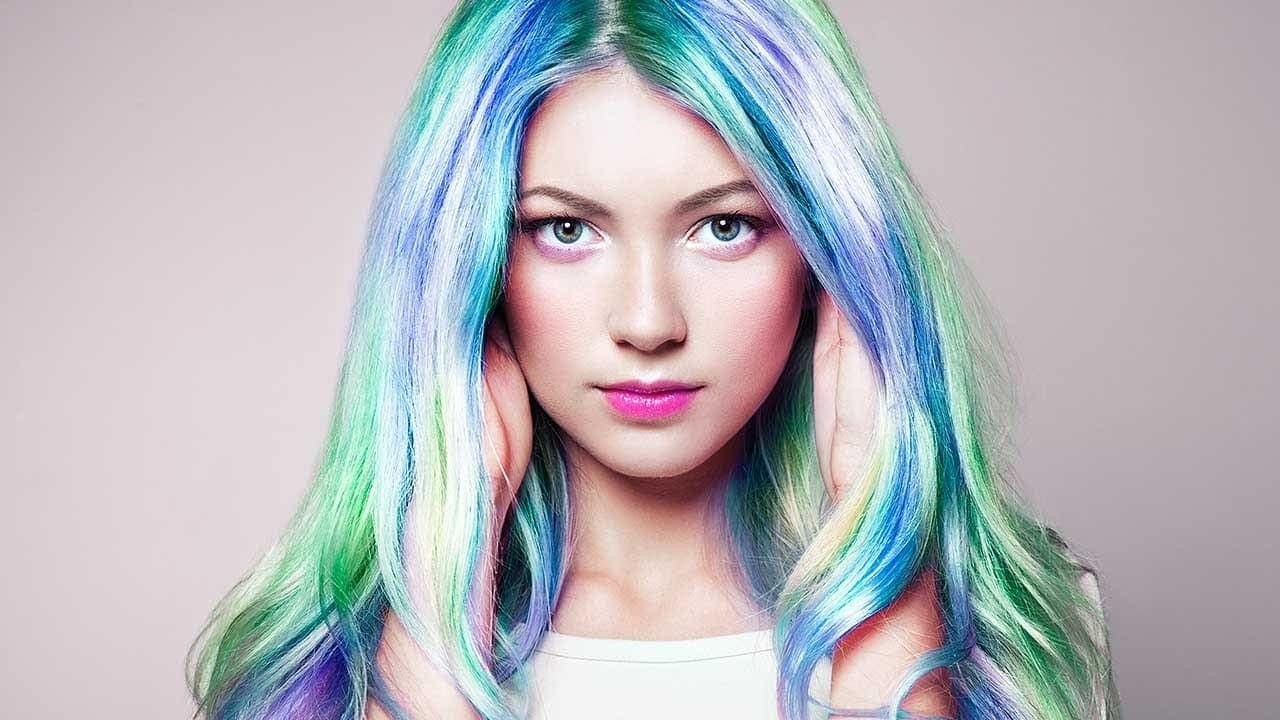
Holographic hair coloring is a creative technique that combines different pastel and metallic shades in a controlled manner.
By applying pink, purple, blue, silver, and lavender shades in layers, hairstylists can create a multidimensional color effect that appears to change depending on lighting conditions and viewing angles.
Achieving a successful holographic appearance requires a strong understanding of color theory, pigment interactions, and professional hair coloring techniques. For this reason, holographic hair coloring is considered an advanced hair coloring application.
Popular Hair Coloring Techniques
In professional hairdressing, the application technique is just as important as the selected hair color. Different techniques can significantly influence the final appearance, dimension, and naturalness of the hair.
The most widely used hair coloring techniques include:
Balayage: A freehand coloring technique that creates natural-looking color transitions in selected sections of the hair.
Ombre: A coloring technique that creates a gradual transition from darker roots to lighter ends.
Sombre: A softer and less contrasting variation of the traditional ombre technique.
Babylights: A technique that uses very fine highlights to create a naturally lightened appearance.
Highlights: A coloring technique that lightens selected strands to create contrast and dimension.
Money Piece: A technique that emphasizes face-framing strands with lighter or contrasting colors.
Root Shadowing: A technique that creates a smooth transition between darker roots and lighter sections of the hair.
The most suitable technique depends on the hair structure, existing color, desired appearance, and individual maintenance habits.
How to Make Hair Color Last Longer
Following an appropriate hair care routine after coloring can help maintain the shine, intensity, and vibrancy of the hair color for longer.
The following recommendations can help maintain color-treated hair:
Use shampoos and hair care products specifically formulated for color-treated hair.
Avoid washing your hair with excessively hot water.
Apply heat protection products before using heated styling tools.
Use moisturizing hair masks suitable for your hair's needs.
Protect your hair against damage caused by sunlight, swimming pools, and seawater.
Use color-toning products when necessary to maintain blonde and ash shades.
Schedule professional hair care and color-refreshing treatments according to your hair's condition.
Proper hair care is particularly important for platinum blonde, silver blonde, and pastel hair colors, as achieving these shades may require bleaching.
Learn Professional Hair Coloring Techniques with Altier Academy
Hair coloring involves much more than simply following the latest fashion trends. Successful hair coloring applications require knowledge of color theory, hair structure, pigments, hair analysis, color formulation, and professional application techniques.
Professional hairdressing education helps individuals who want to pursue a career in the beauty industry develop their theoretical knowledge and practical skills.
Altier Academy offers a range of educational programs for individuals who want to specialize in hairdressing and hair design.
Through professional education, aspiring hairstylists can develop their understanding of hair coloring techniques, creative color applications, and personalized hair design.
Discover Altier Academy's Hairdressing and Hair Design Training Programs and explore educational opportunities that align with your career goals in the professional beauty industry.
Frequently Asked Questions About Hair Colors
What are the most popular hair colors?
Platinum blonde, silver blonde, caramel brown, ash brown, chocolate brown, cinnamon, copper, and pastel shades are among the popular hair color options. Natural color transitions and multidimensional coloring techniques also offer versatile styling alternatives.
Which hair color makes you look younger?
Honey blonde, caramel, beige blonde, and soft brown transitions that brighten the face can create a fresher and more vibrant appearance. However, the results depend on individual skin tone, facial features, and hairstyle.
Which hair color is easiest to maintain?
Brown and dark blonde shades that are close to the natural hair color generally require less maintenance. Balayage and sombre techniques that preserve the natural root color can also reduce the need for frequent root touch-ups.
What are cool-toned hair colors?
Silver blonde, platinum blonde, ash brown, ash blonde, and mushroom brown are among the most popular cool-toned hair colors. These shades generally contain gray, blue, violet, or neutral pigments that help balance warm reflections.
What are warm-toned hair colors?
Honey blonde, caramel, copper, cinnamon, golden blonde, Pumpkin Spice, and strawberry blonde are examples of warm-toned hair colors. These shades typically contain golden, copper, or reddish reflections.
What should you consider before changing your hair color?
Before changing your hair color, you should consider your existing hair color, previous chemical treatments, hair condition, skin undertone, and desired shade. A professional hair analysis is particularly important before intensive bleaching treatments.
How can you learn professional hair coloring techniques?
Professional hair coloring techniques can be learned through hairdressing and hair design training programs. Color theory, hair analysis, pigment knowledge, color formulation, and practical coloring applications are essential components of developing expertise in this field.